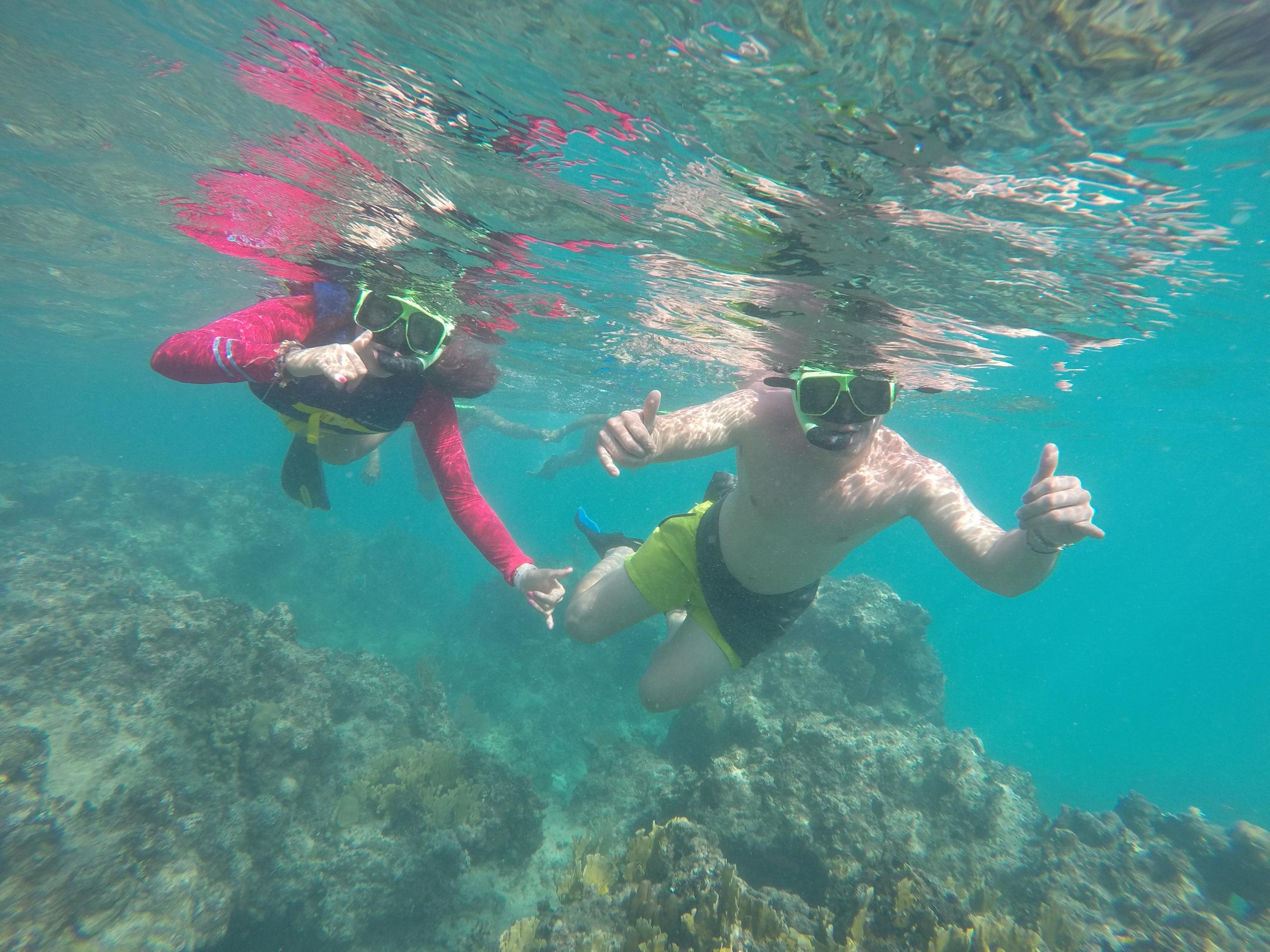
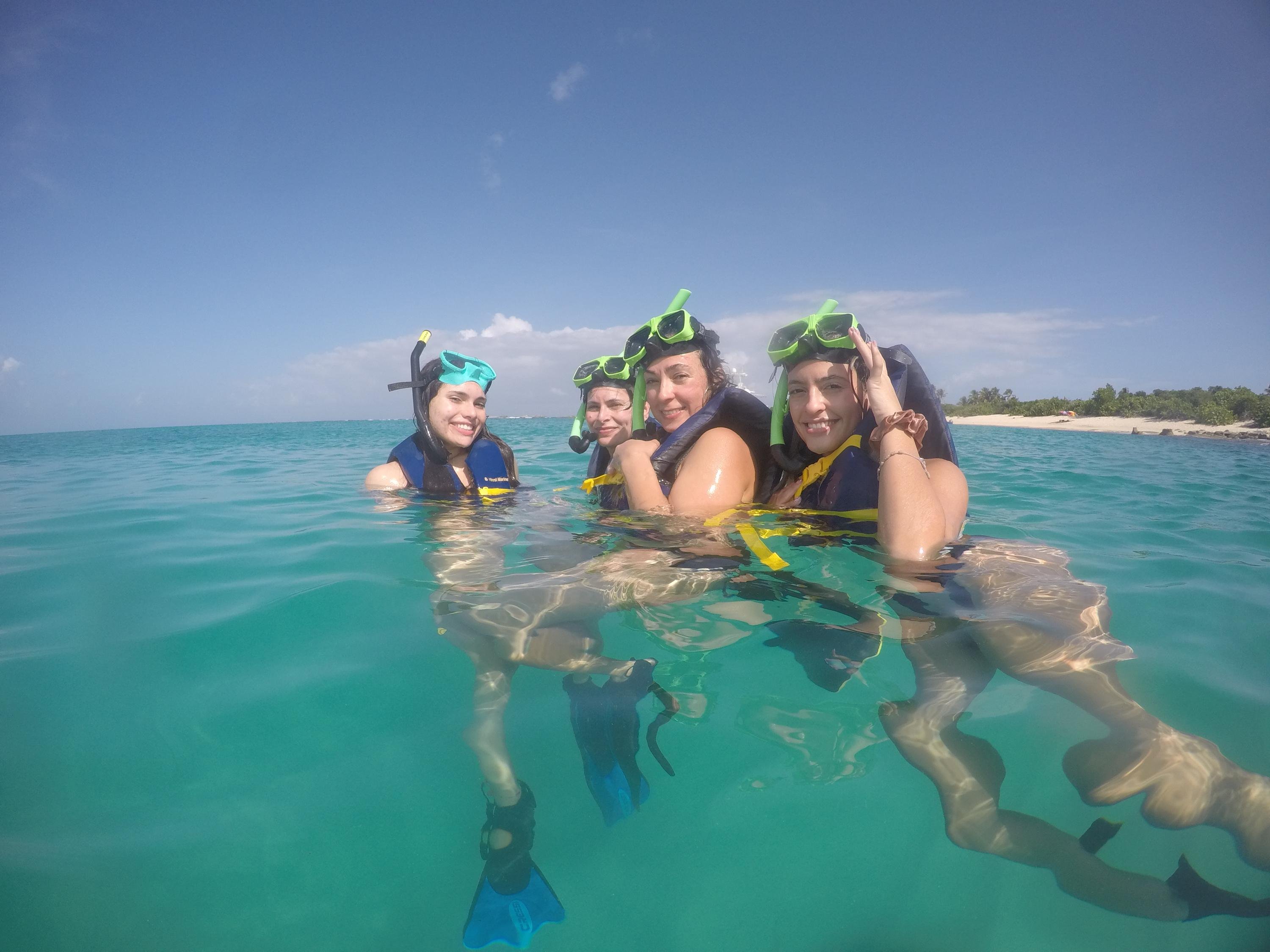
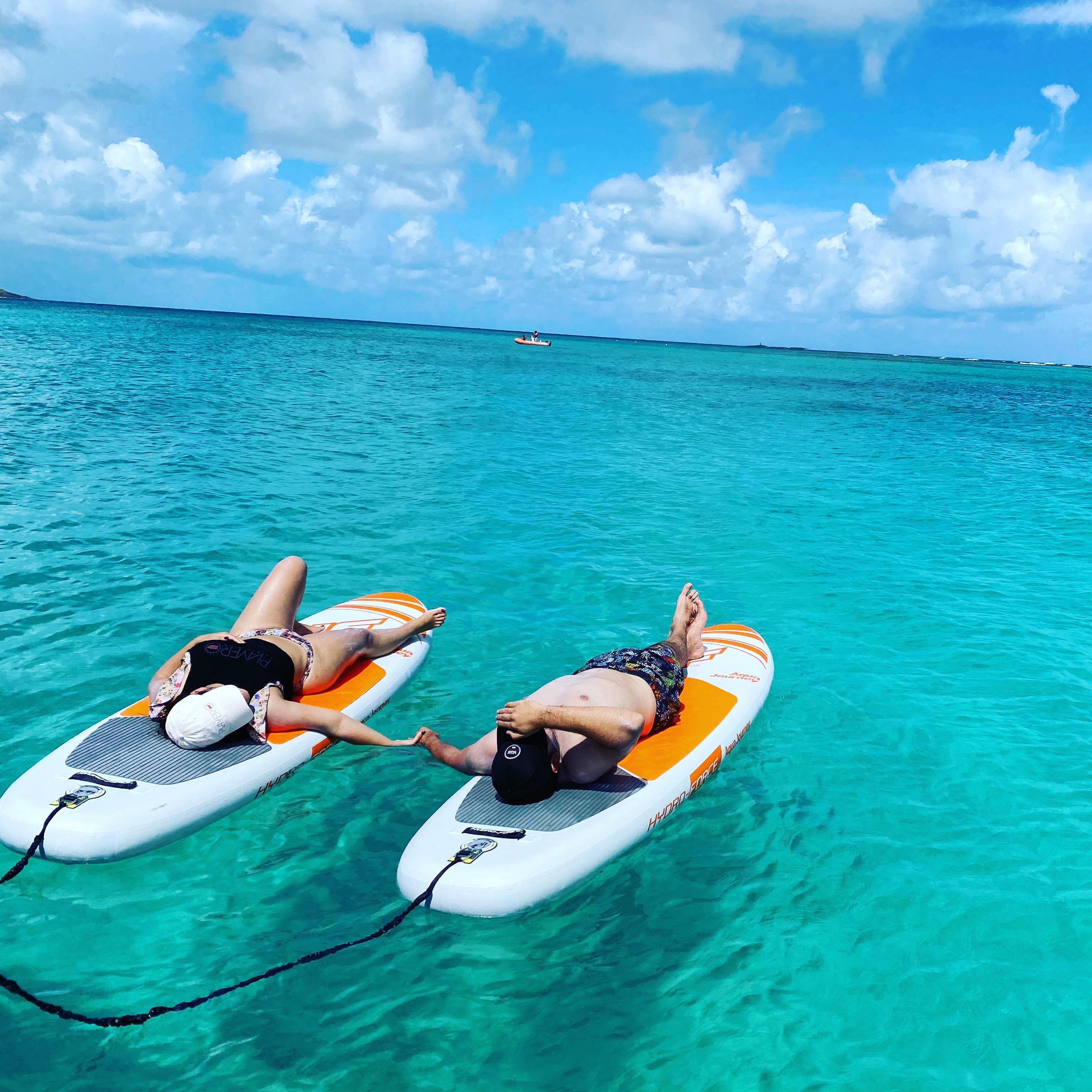
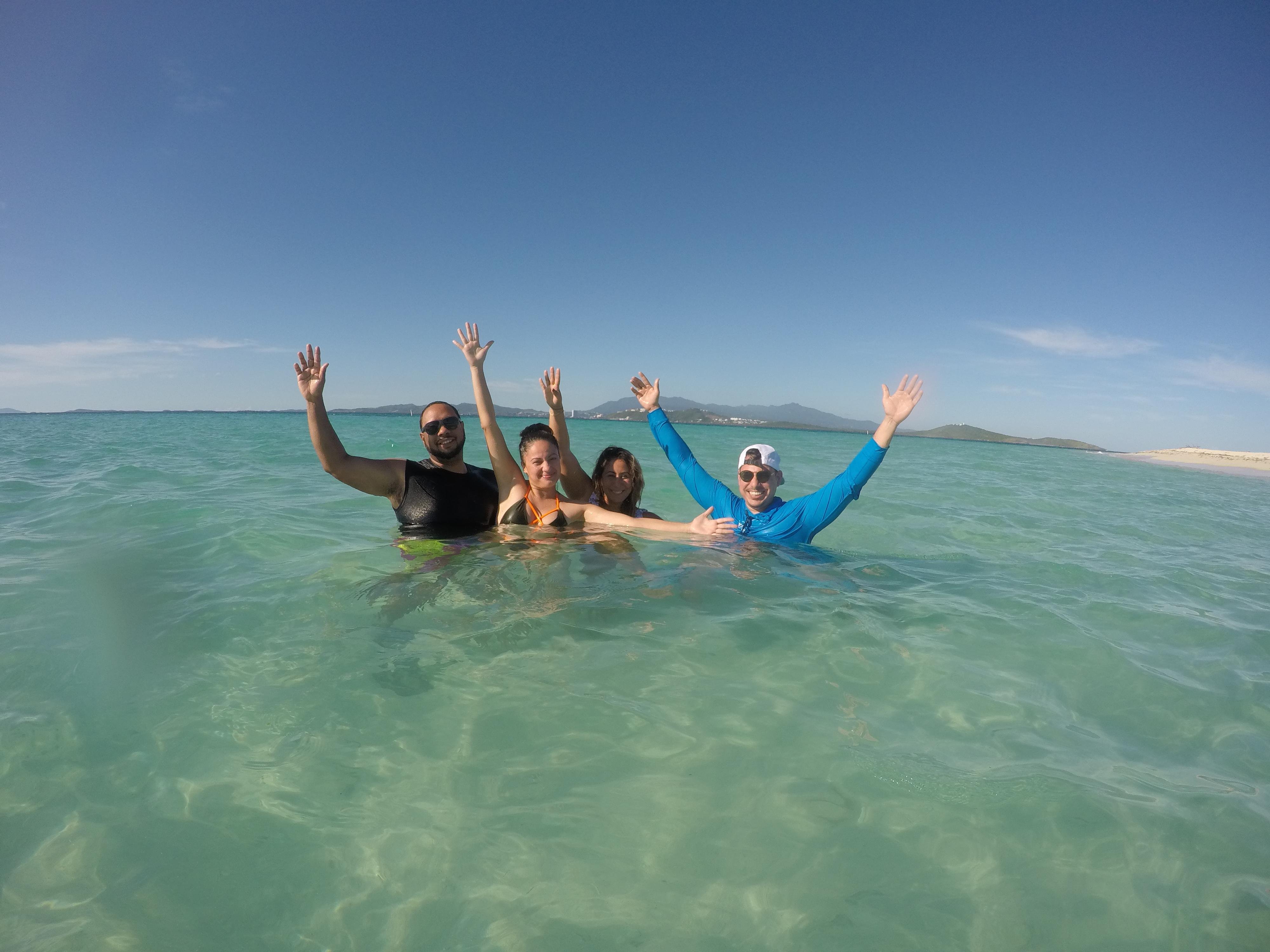
Start with the thing that trips almost everyone up, because it decides where you drive.
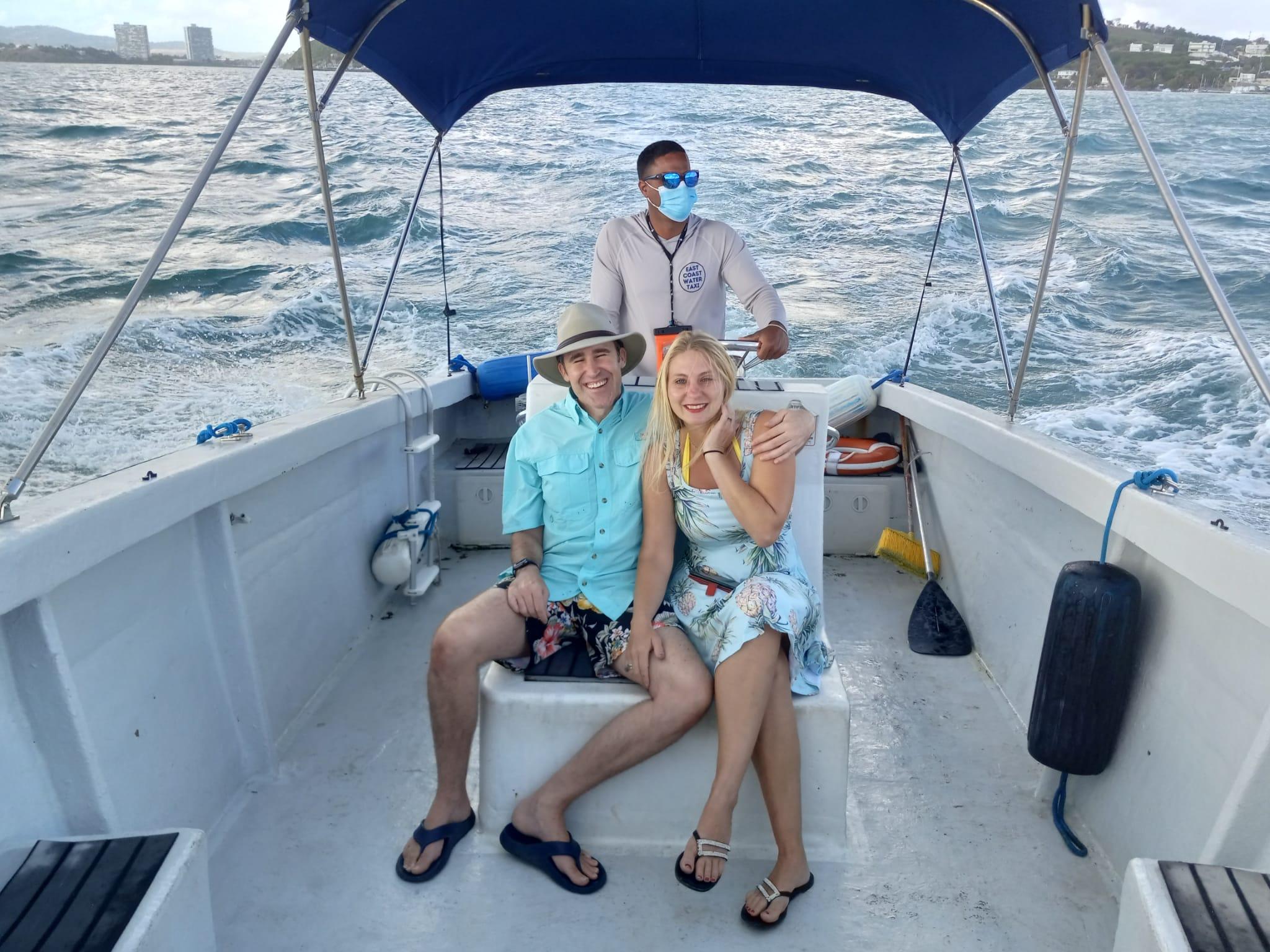
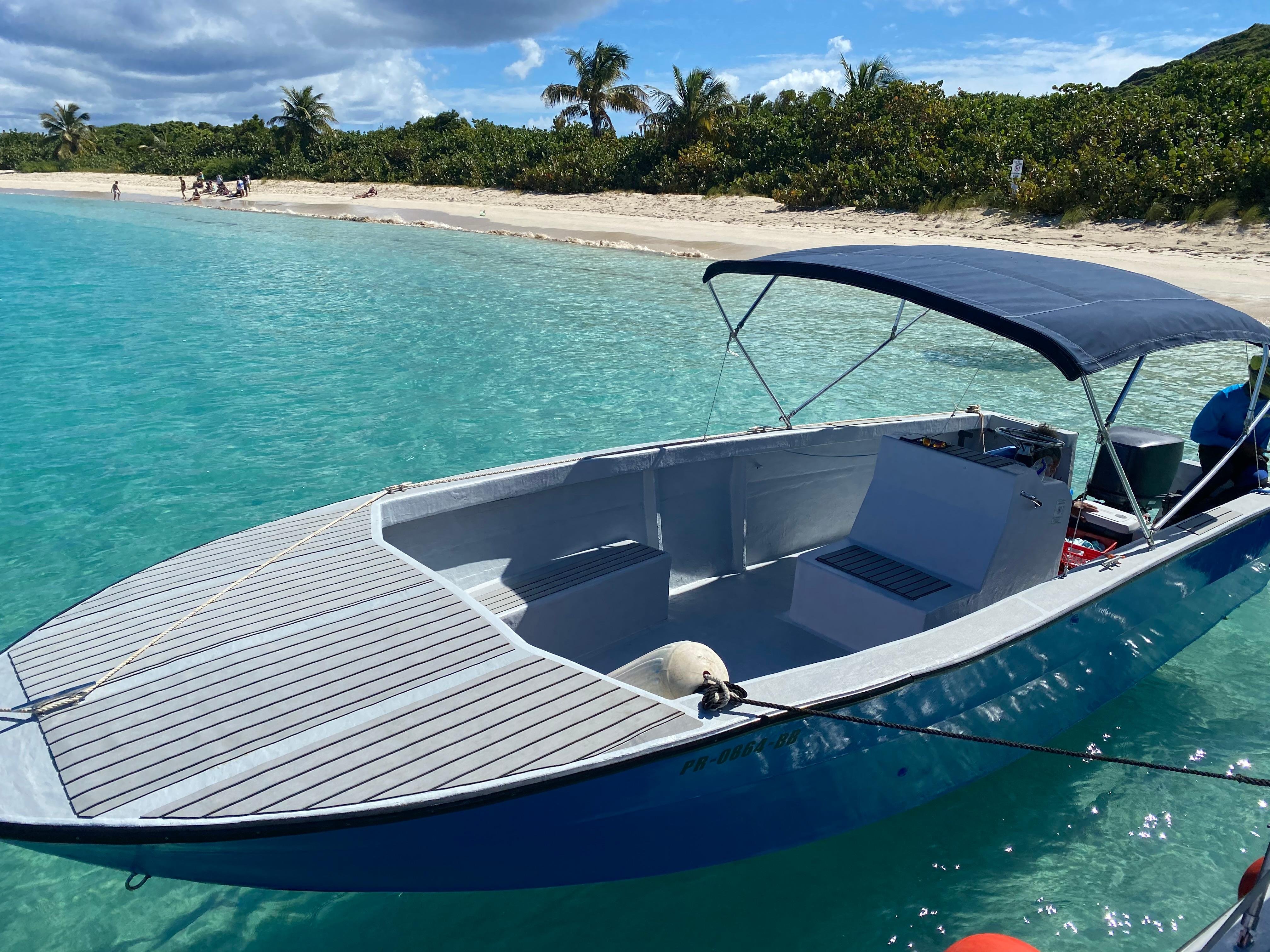
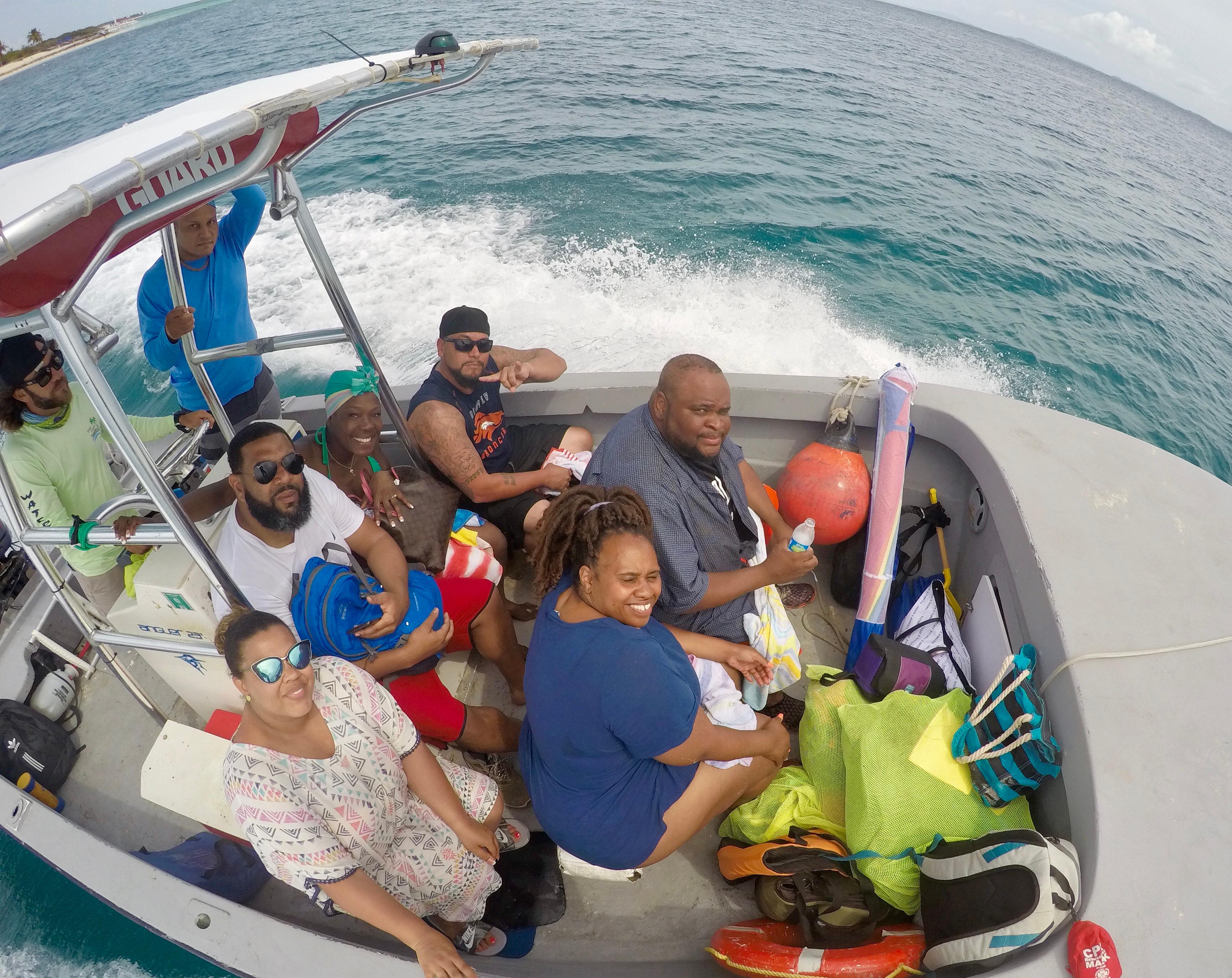
There is no ferry to Cayo Icacos. Puerto Rico’s own tourism board says it plainly — there is no official ferry service to the island. What exists is a private water taxi, booked as a slot with a captain who comes back for you at an agreed hour. If you have been searching for a ferry timetable, there isn’t one to find.
And the second thing: Fajardo has four boat departure points, and they are not interchangeable.
| Where | What actually leaves from it |
|---|
| Las Croabas (the dock by Kayak Village) | Water taxis — all of them |
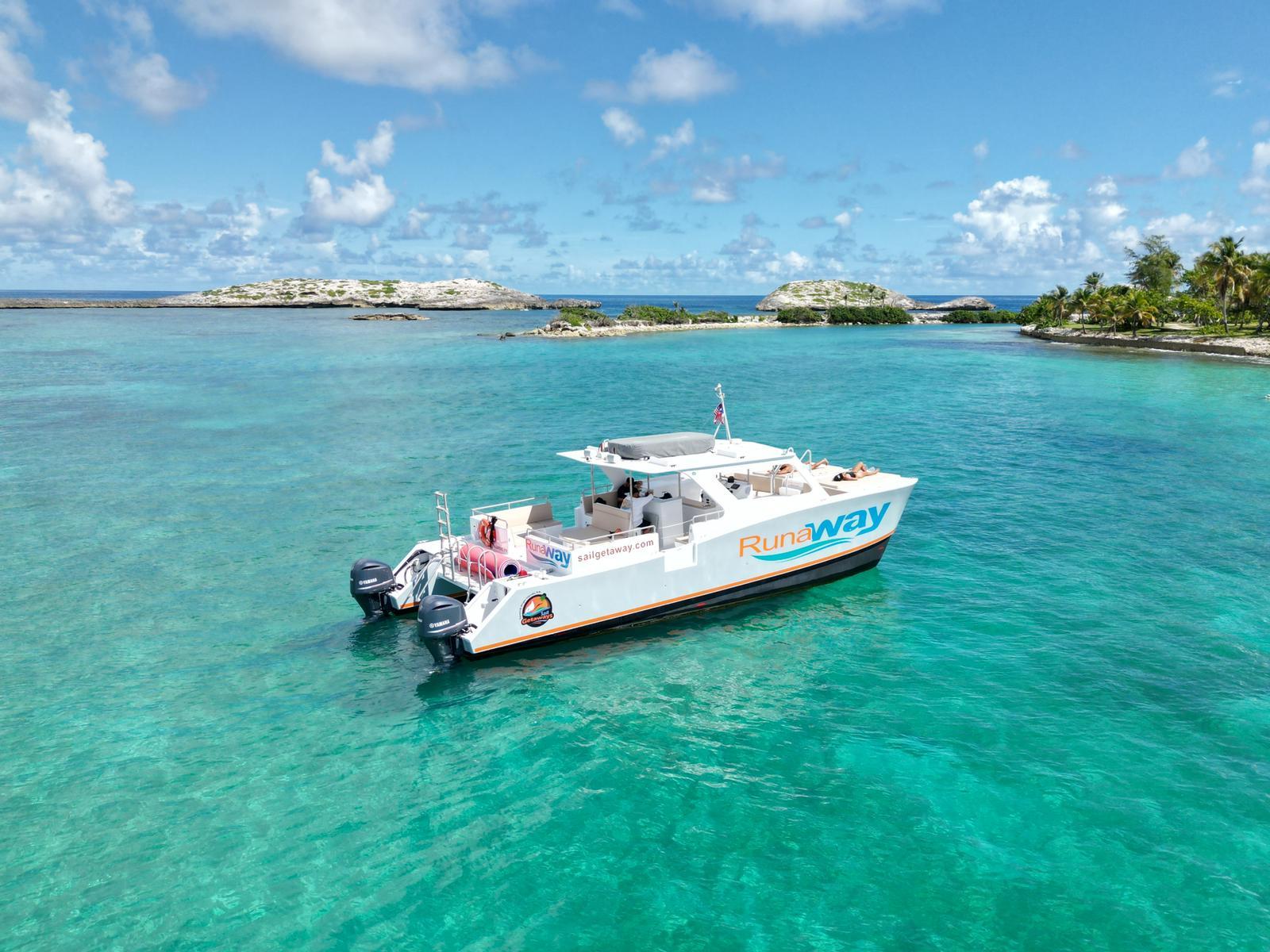
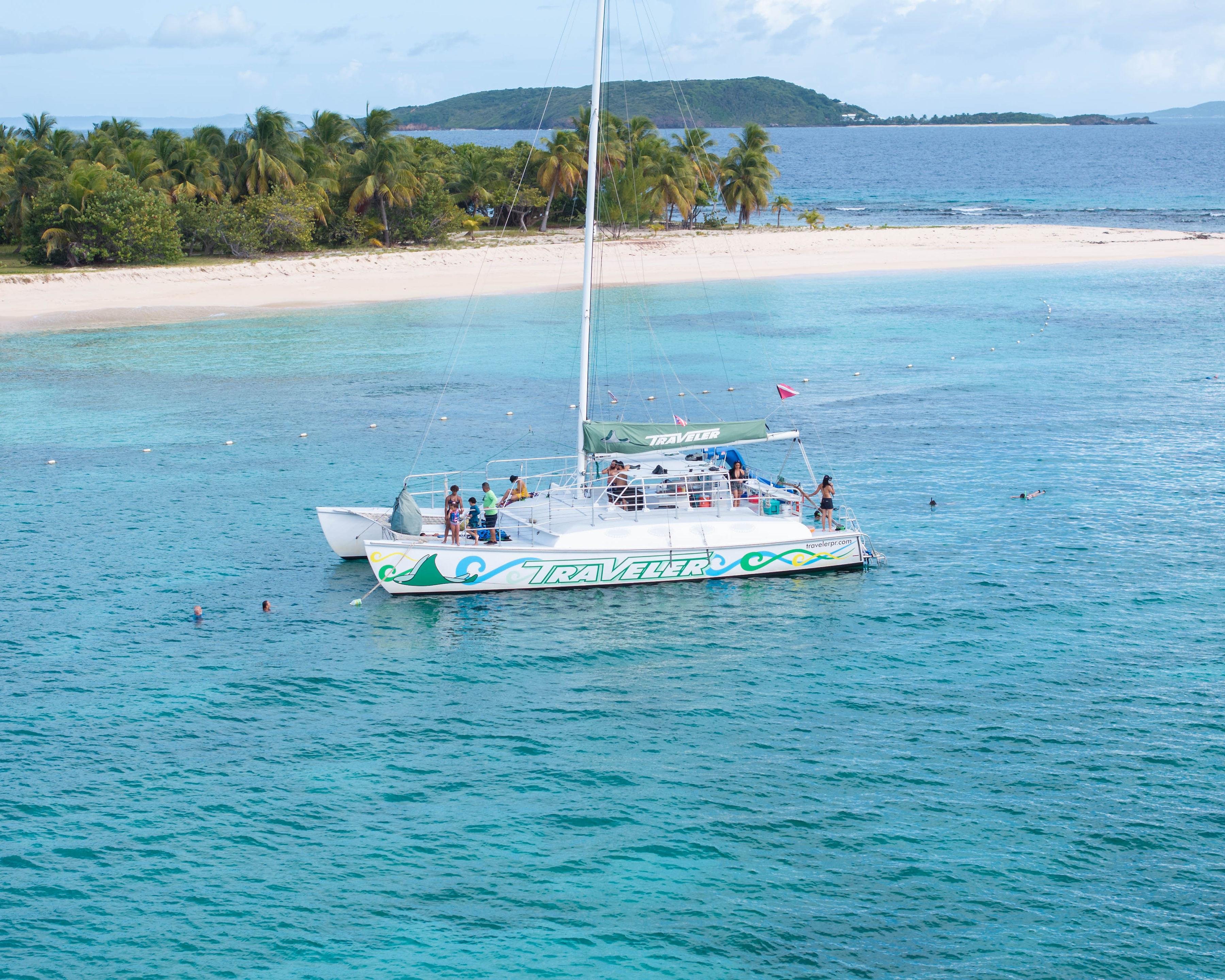
| Villa Marina | Catamarans |
| Puerto del Rey Marina | Catamarans, half- and full-day sails |
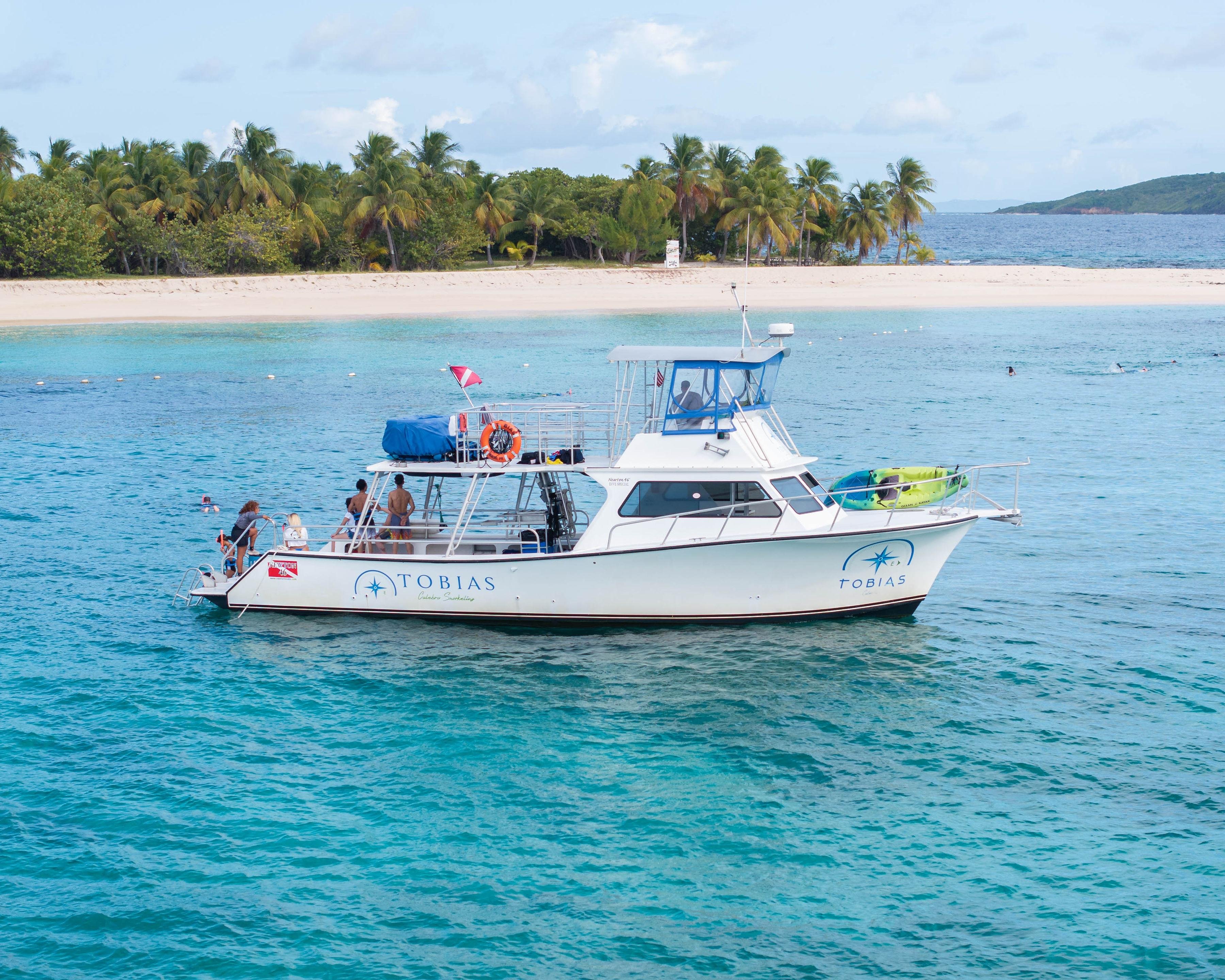
| Marina Puerto Chico | Self-drive mini boats, and one crewed lunch cruise |
A great many guides send water-taxi passengers to Villa Marina or Puerto del Rey. Those are where the catamarans load. If you want the taxi, you want Las Croabas — and as a bonus, Kayak Village has toilets and showers, which is the last plumbing you will see for about five hours.
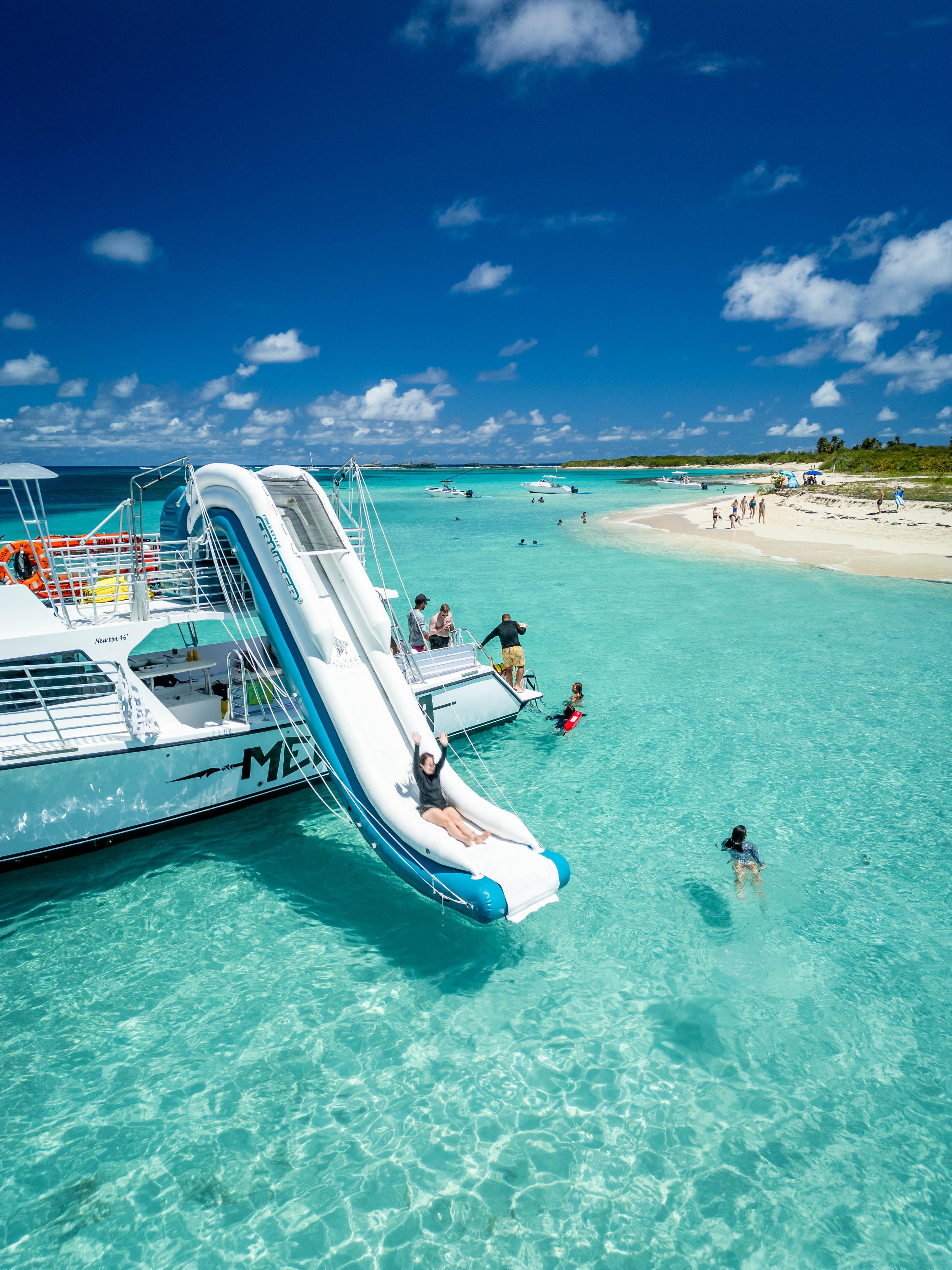
One honest caveat on our own table: the docks sort mostly by product, not perfectly. Puerto Chico is the self-drive marina, but the $117 snorkelling cruise further down this page — a crewed boat with a slide, a sun deck and a bathroom — also checks in there. The rule that holds without exception is the one in the top row: every water taxi leaves from Las Croabas.
What a water taxi to Icacos costs
About $60 per person, round trip, booked direct — that is the going rate, published on two operators’ own sites.
But do not take a single number away from this page, because the bare crossing is also published at $85 — and here is the odd part: the $60 and the $85 sit on two near-identical sites that cross-link to the same booking address and appear to be run by the same people. One of the two is stale and we cannot tell you which. Ask when you book.
Then the clause that matters more than either figure:
At least one operator runs a four-person minimum, with six as the maximum per boat. Groups smaller than four are charged the four-person rate unless they are paired with a larger party.
For a couple that is $240 for the boat, not $120. Run the arithmetic all the way, though, because it does not end where most guides leave it:
| Two people, one day on Icacos | What it costs |
|---|
| Bare water taxi, direct, under that four-person minimum | $240 |
| The beach-day package on this page, $95 each, no minimum | $190 |
| Cheapest crewed snorkelling cruise, $115–$117 a seat | $230–$234 |
So the four-person minimum does not make a couple’s trip expensive — it makes the bare direct crossing the wrong way to buy it. The package is sold per person with no minimum, which is precisely why it comes out cheapest for two: you are not paying for two seats nobody is sitting in. For a group of four or more the direct crossing wins again on price, and it is genuinely the cheaper buy.
Compare the water taxi against the catamarans →
The crossing, and the day
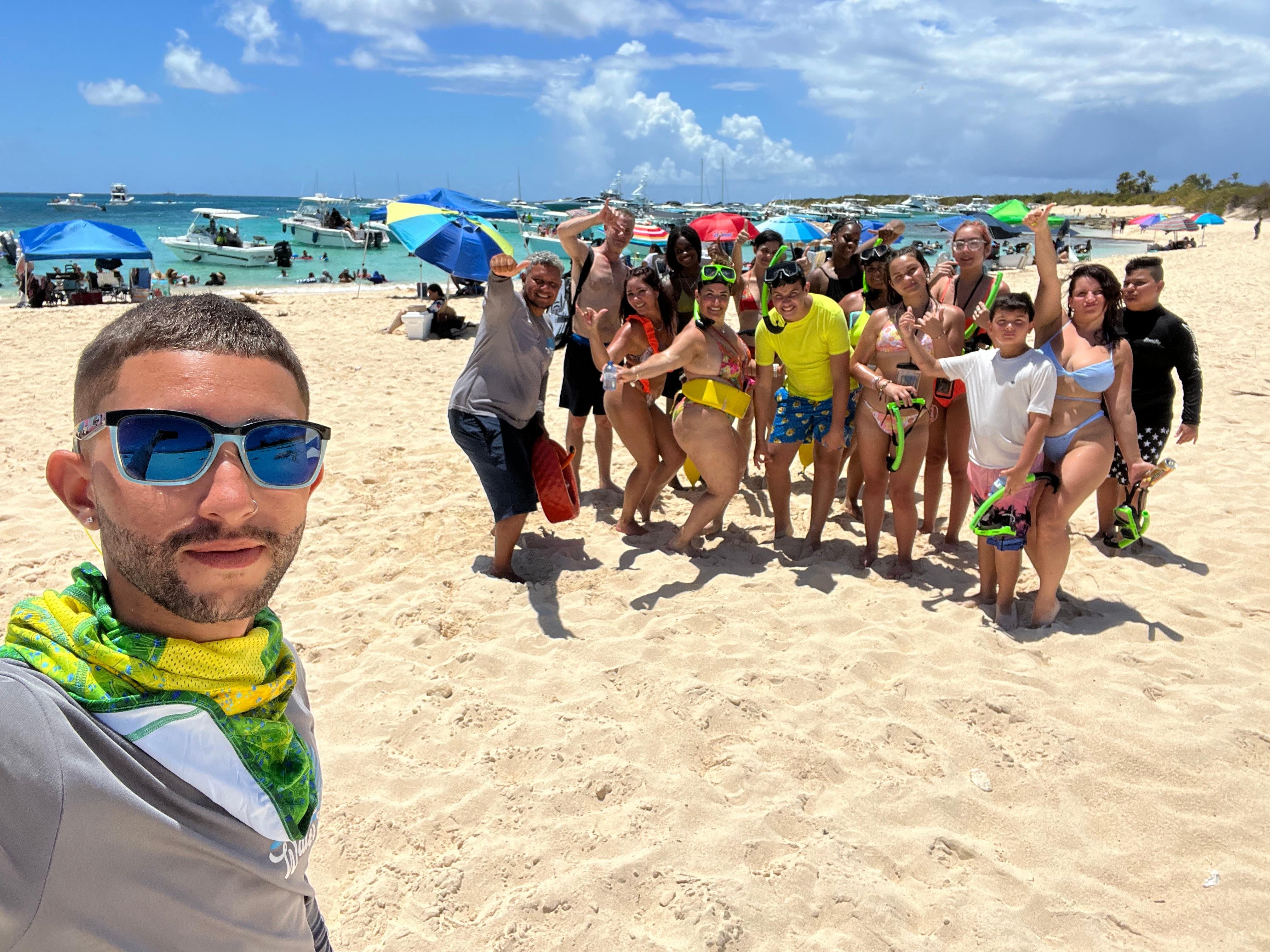
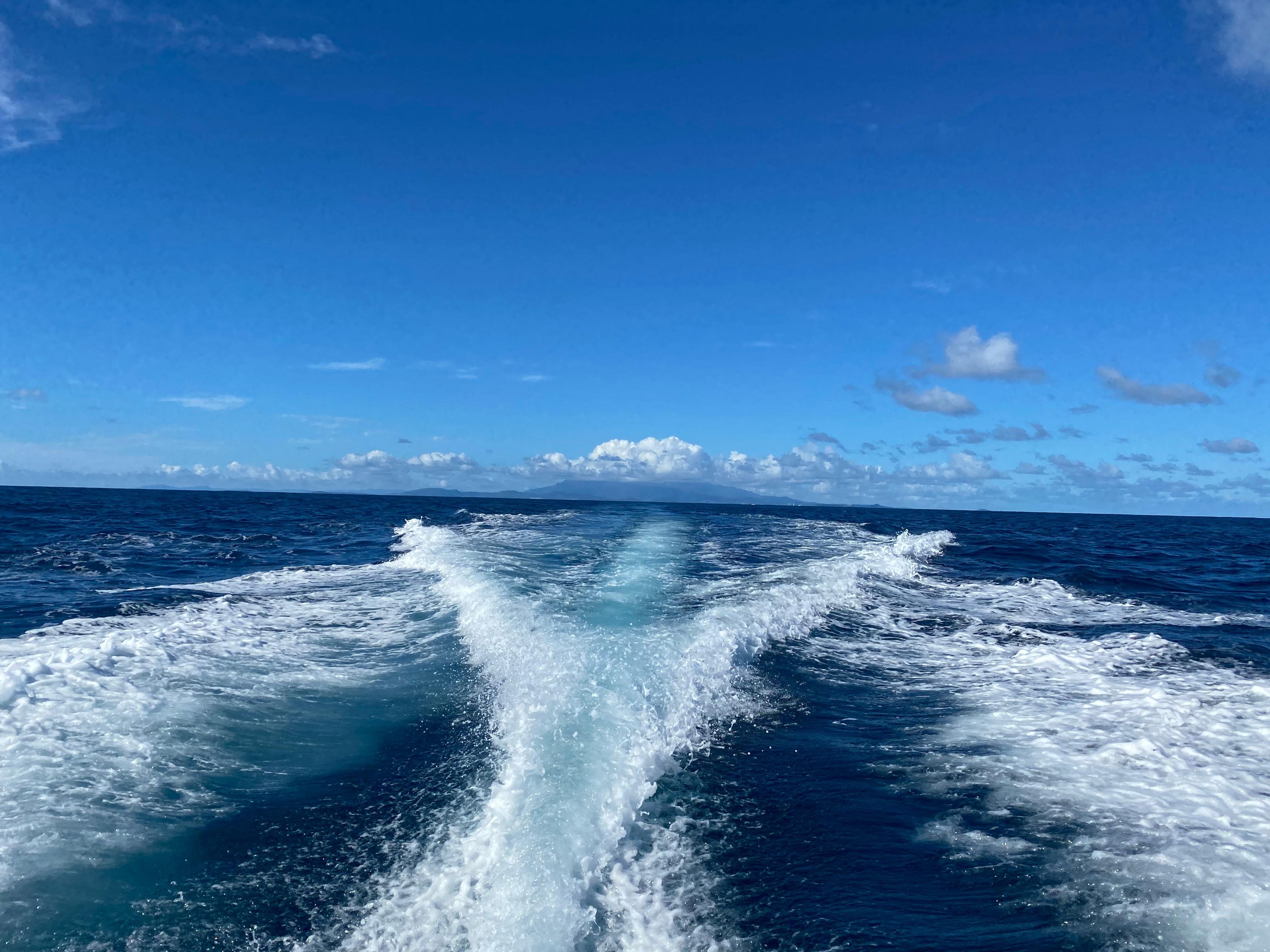
The runs are 10am to 3pm or 11am to 4pm — about five hours on the island. The crossing itself takes 15 to 20 minutes over roughly three miles, and operators quote anywhere from 15 to 30, so treat it as a short hop rather than a scheduled sailing. It runs seven days a week, year-round, daylight only. Groups of six or more can usually negotiate other times between 8am and 5pm.
One detail worth knowing if you are a party of more than six: at least one operator splits you across two boats running side by side for the crossing, reuniting on the beach.
What is on the island
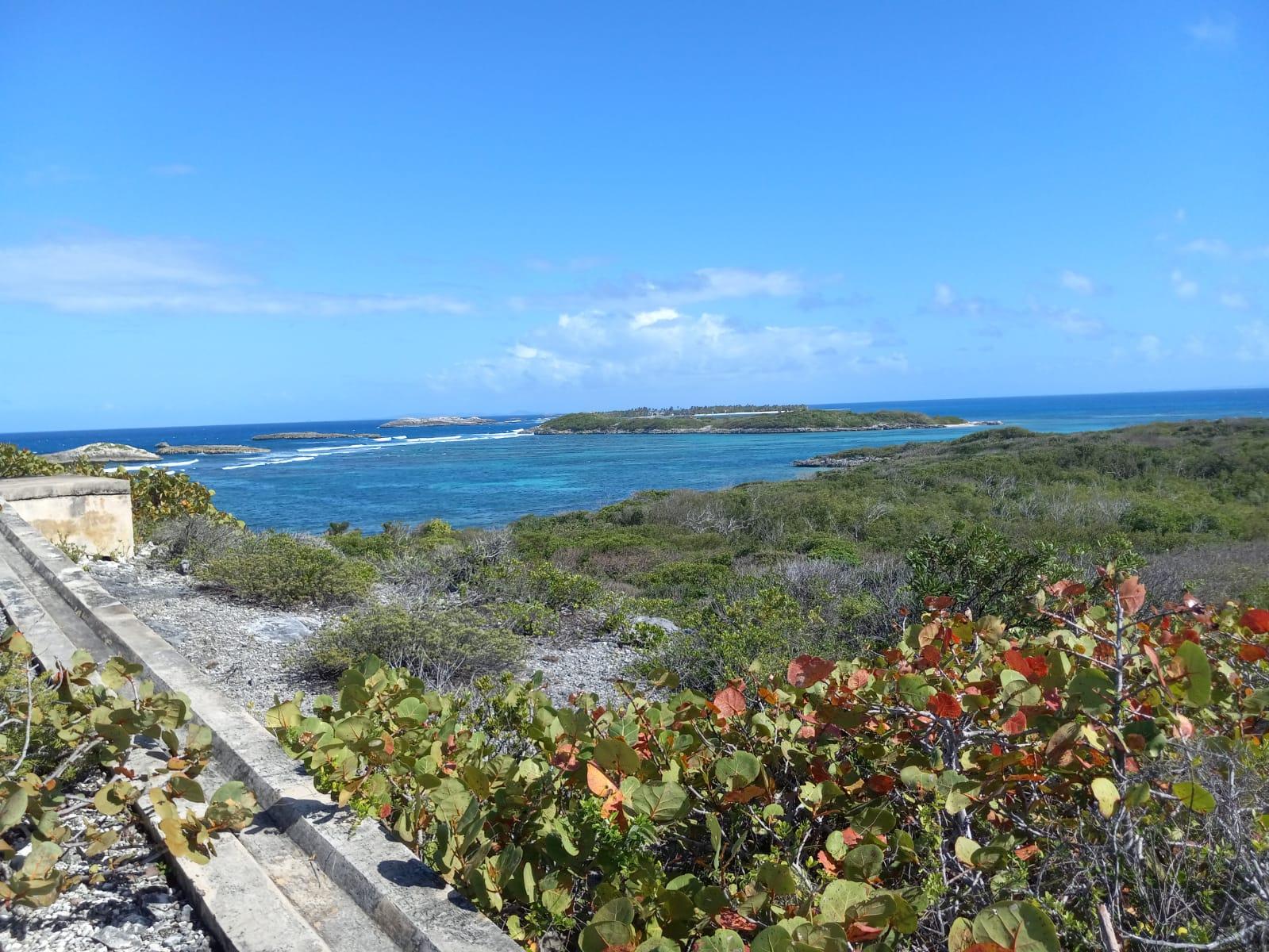
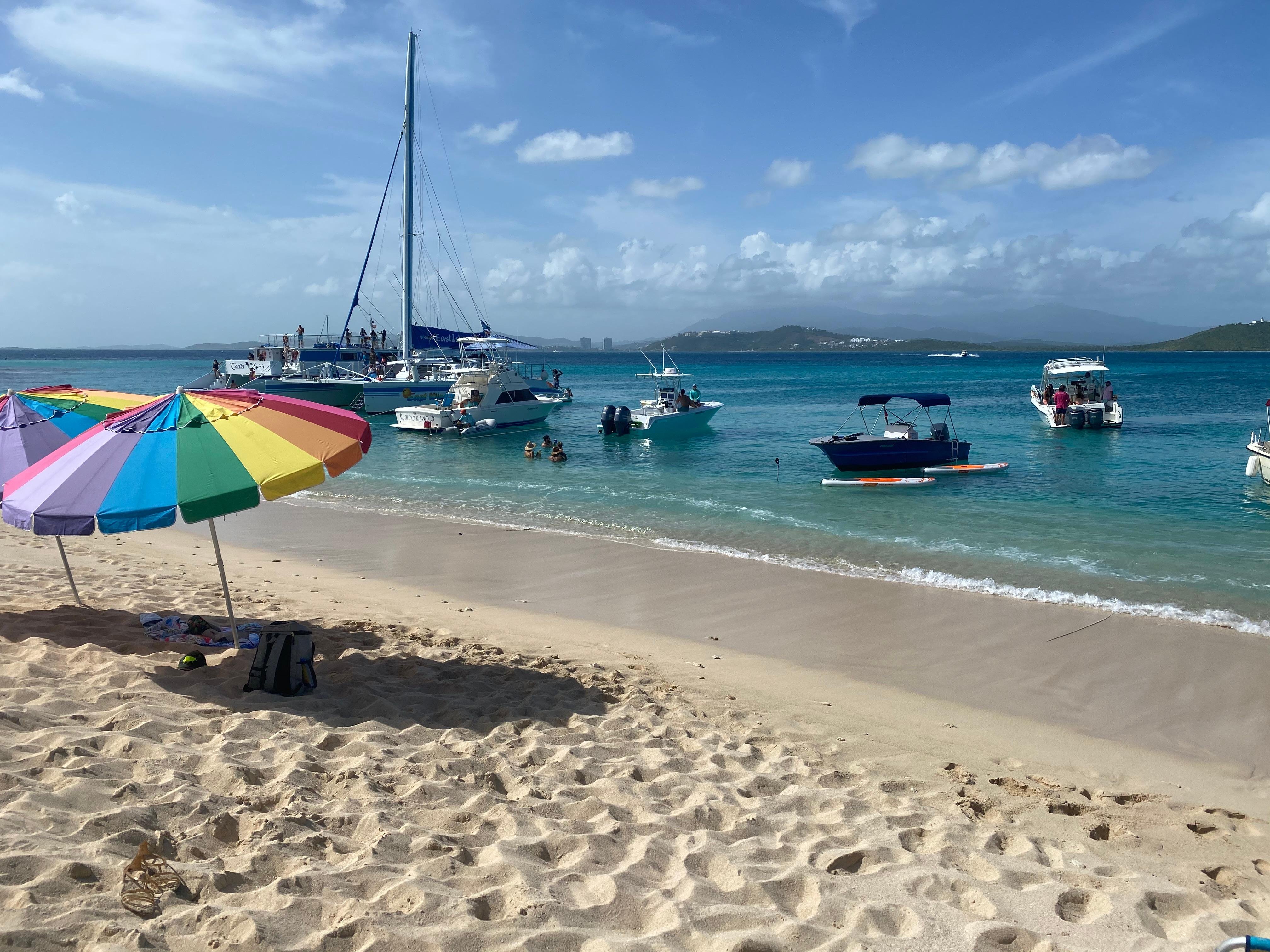
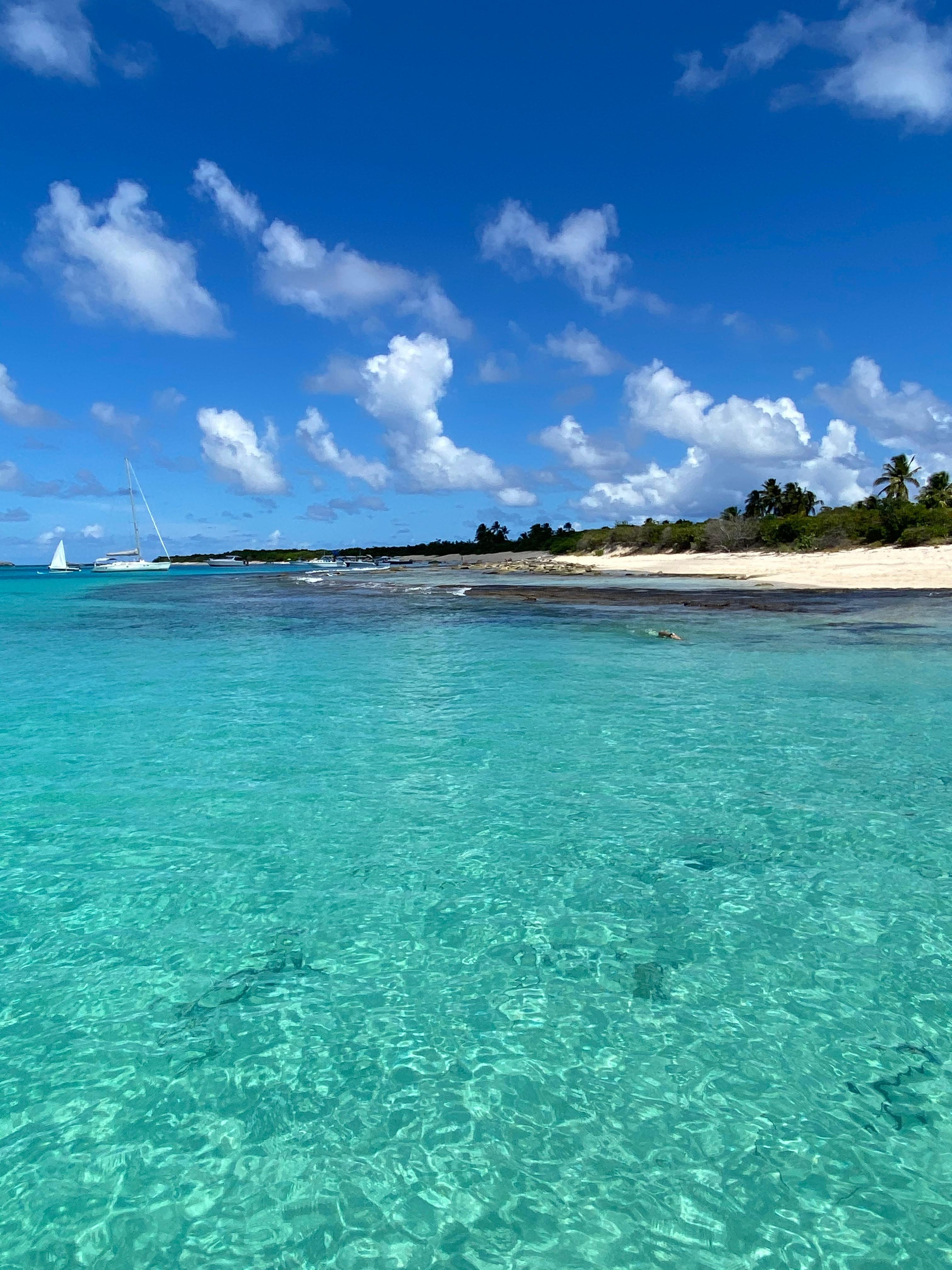
Nothing. That is not a figure of speech, and it is the single most useful fact here.
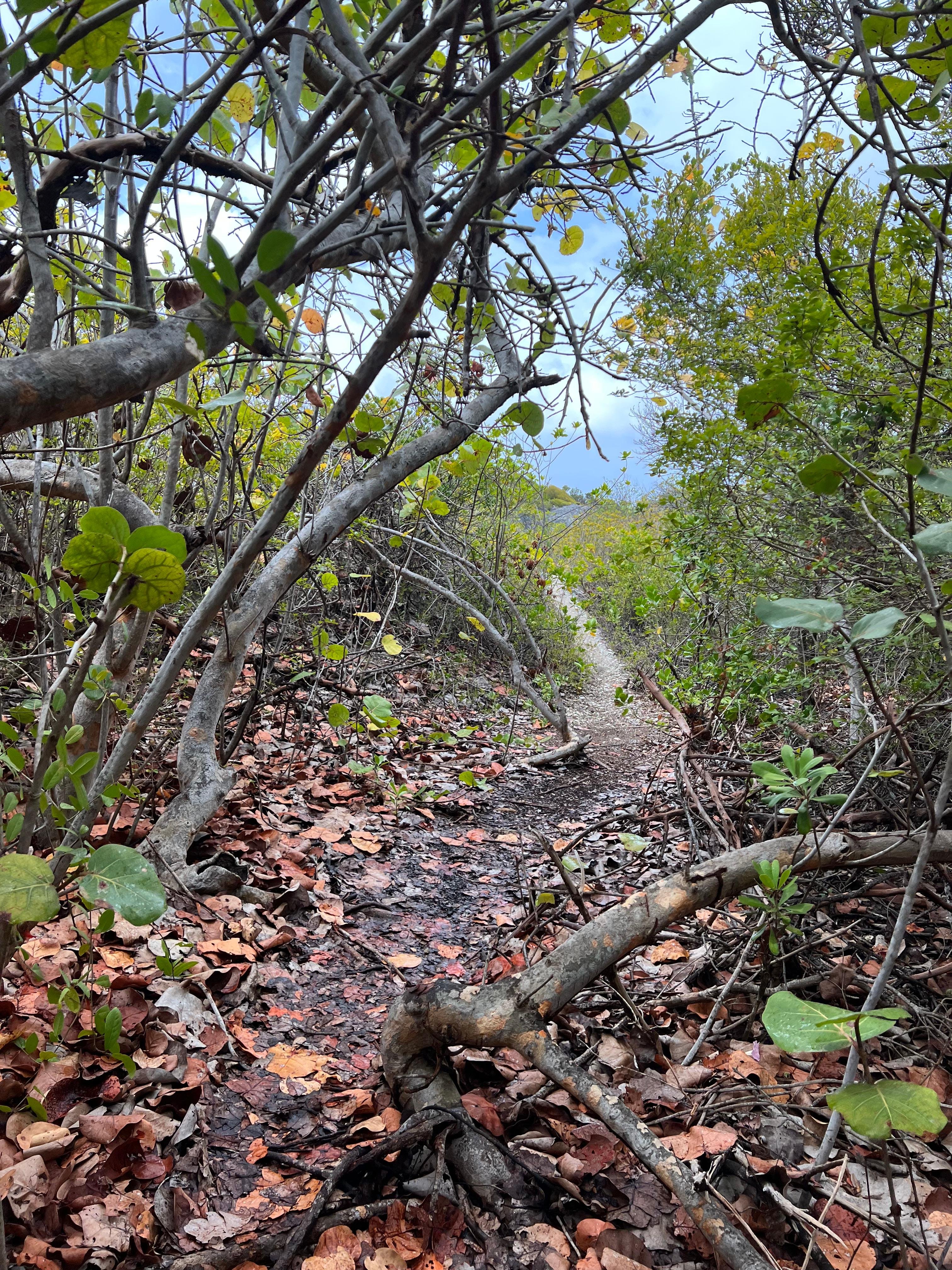
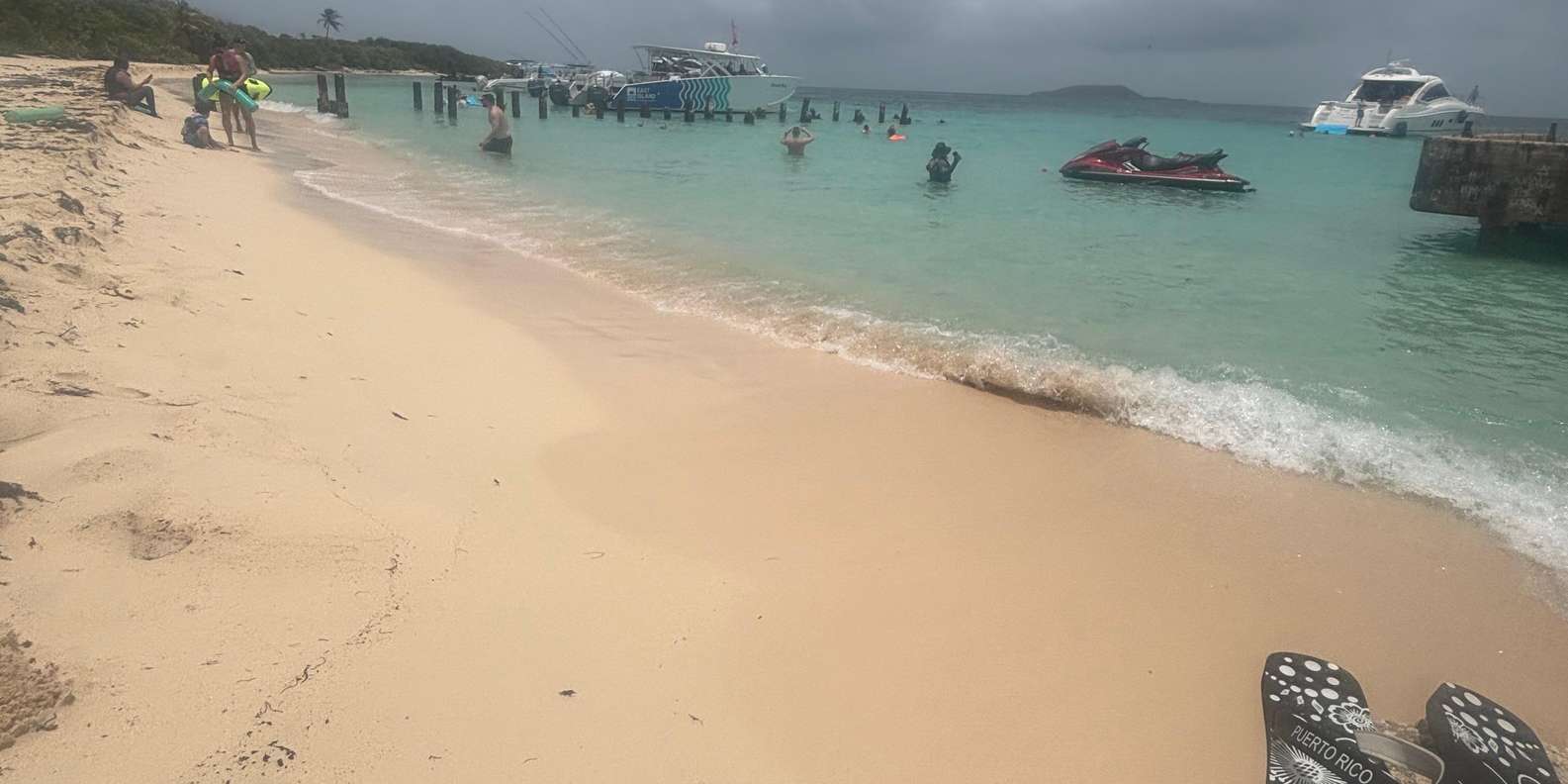
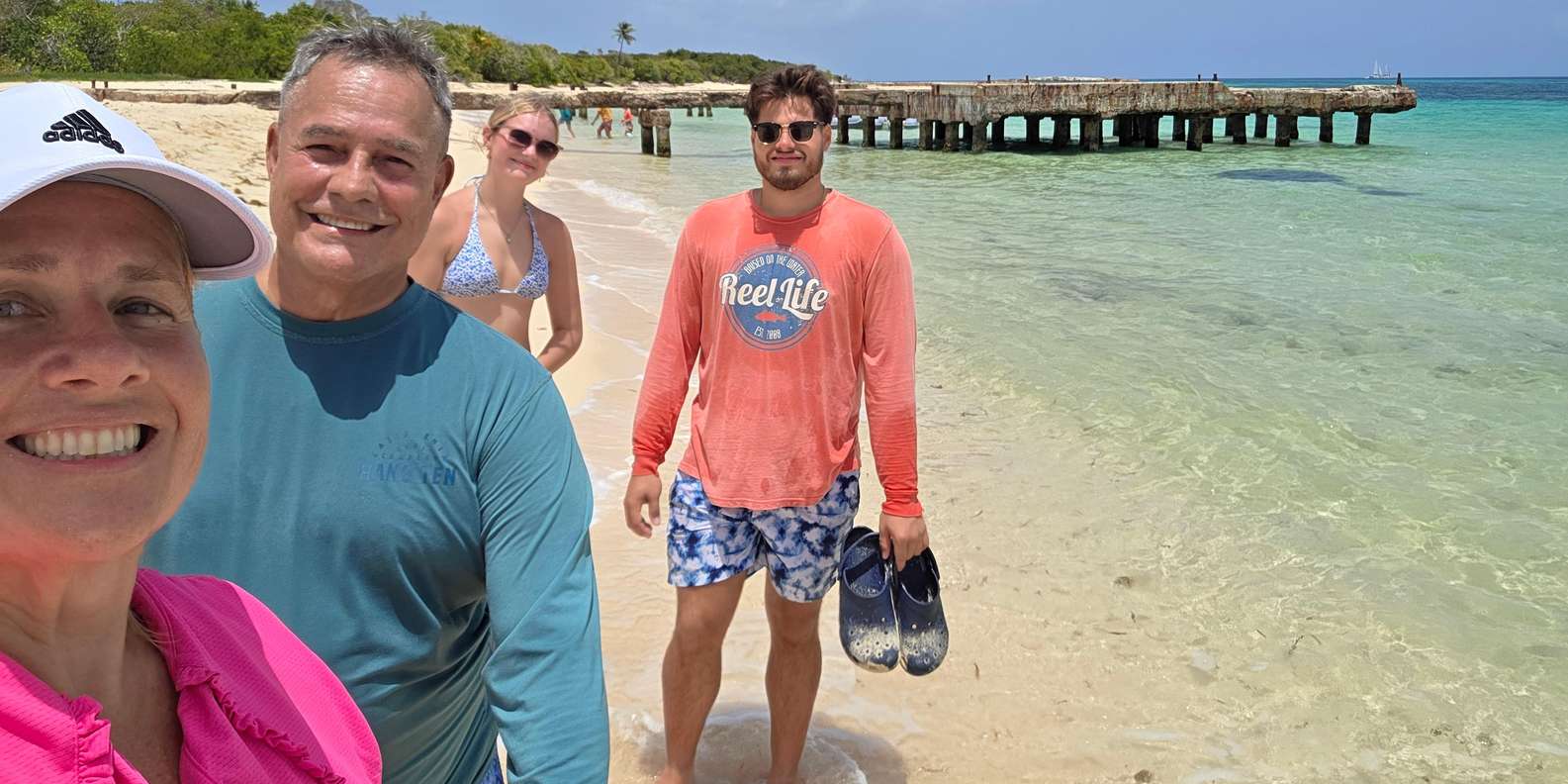
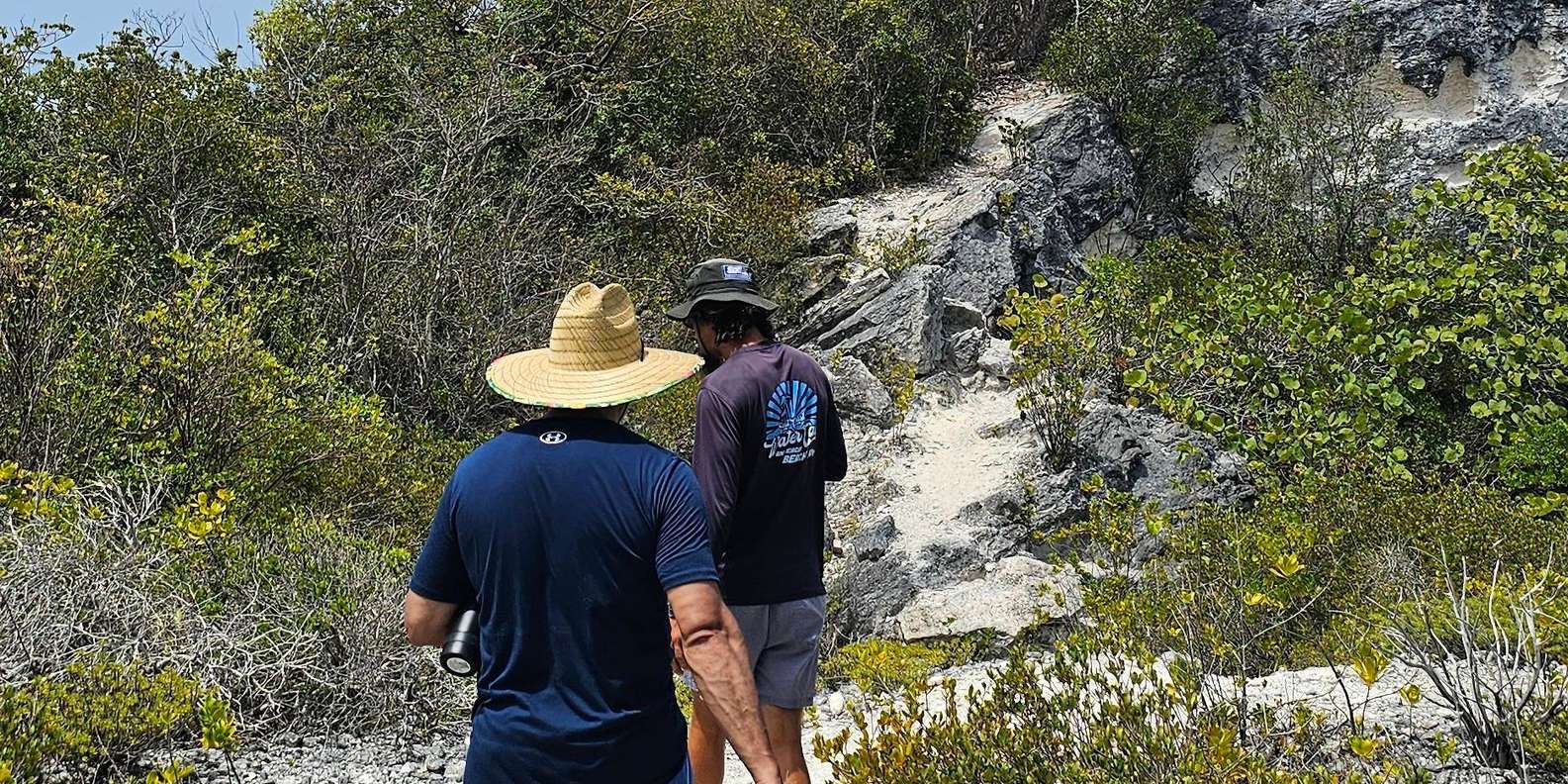
Puerto Rico’s tourism board states it directly: no bathrooms, no shops, no restaurants and no shelters. Visitors bring everything they need and carry out all their rubbish — there are no bins either. There is no fresh water. There is no shade on the beach — the island’s interior is scrub you hike through, not canopy you sit under — which makes an umbrella equipment rather than a luxury. And there is no lifeguard.
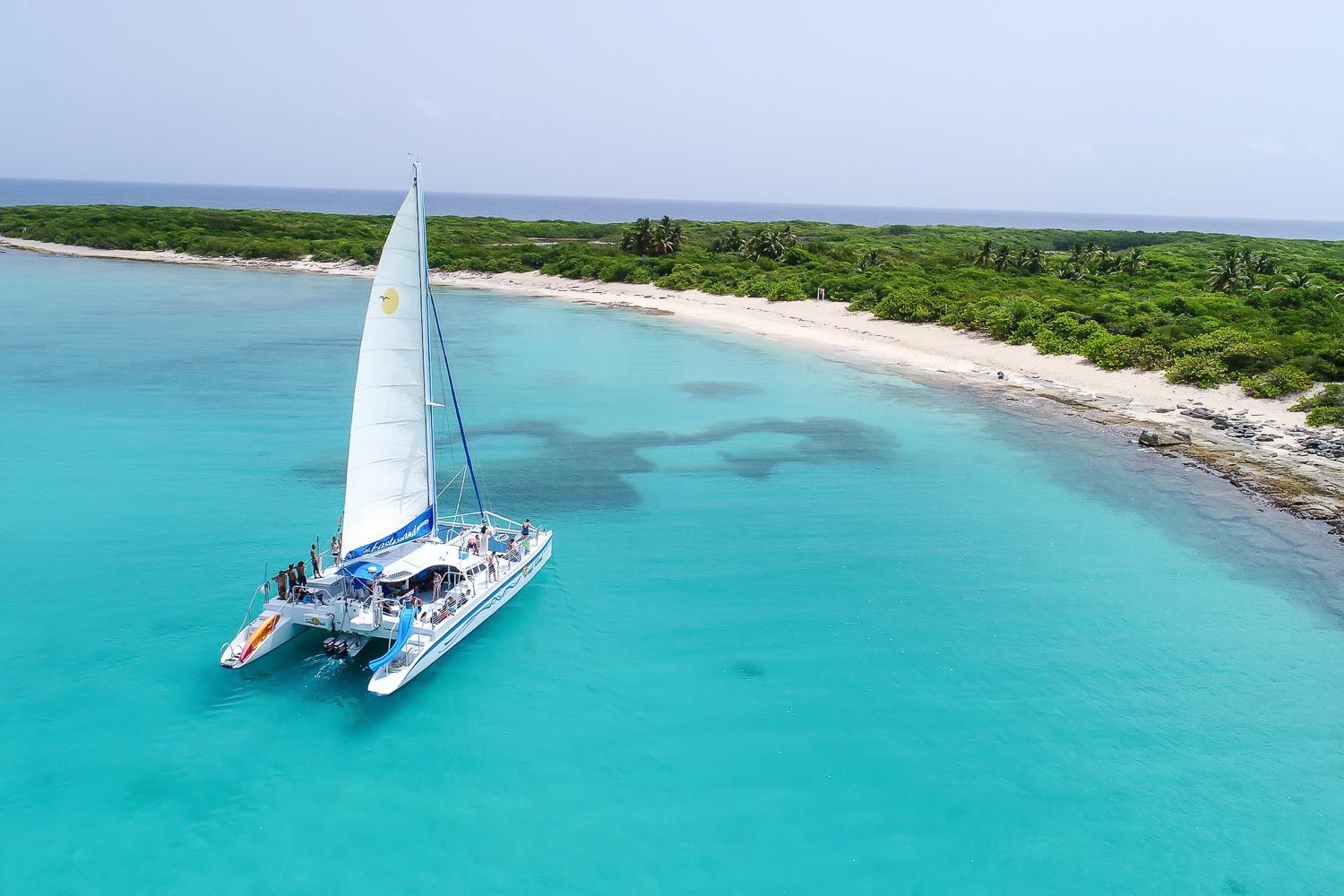
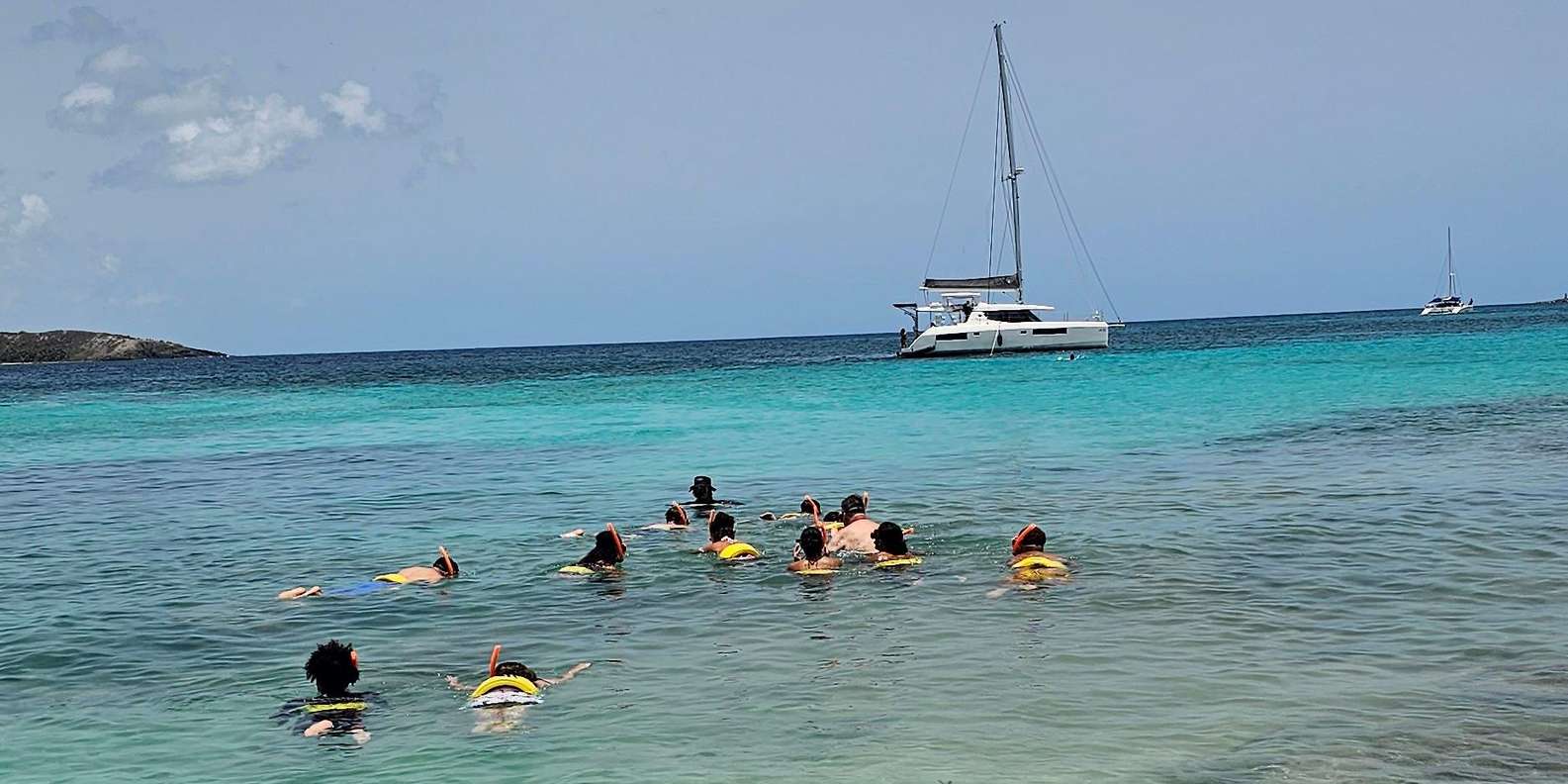
Two caveats that are genuinely useful. Some catamarans have a restroom aboard — on an island with none, that is a real reason to pay more for one. And the dock you leave from has toilets and showers, so use them.
The full what-to-bring list, and the sargassum question, is here.
Booking here against booking direct
We would rather put both prices on the page than pretend there is one.
Booking direct with the operator runs $85 to $95 for the beach-day package, depending on which of that operator’s own pages you land on — their homepage and their services page disagree with each other. Booking through the platform on this page is a few dollars more.
What the few dollars buys is real, and it is not the boat:
- Instant confirmation. The direct route is a contact form, then a deposit, then the balance in cash to the captain on the day.
- Free cancellation up to 24 hours out, against the operators’ own 48-hour window — and inside 48 hours, direct bookings forfeit the deposit, no-shows forfeit everything, and turning up with fewer people than you booked is charged in full.
- One language, one currency, one receipt.
If you are travelling as a flexible group of four, book direct and save the difference. If your dates are fixed, or you are two people who would otherwise pay a four-person minimum, the platform is the better instrument. Both are on this page on purpose.
Where the reserve rules actually stand
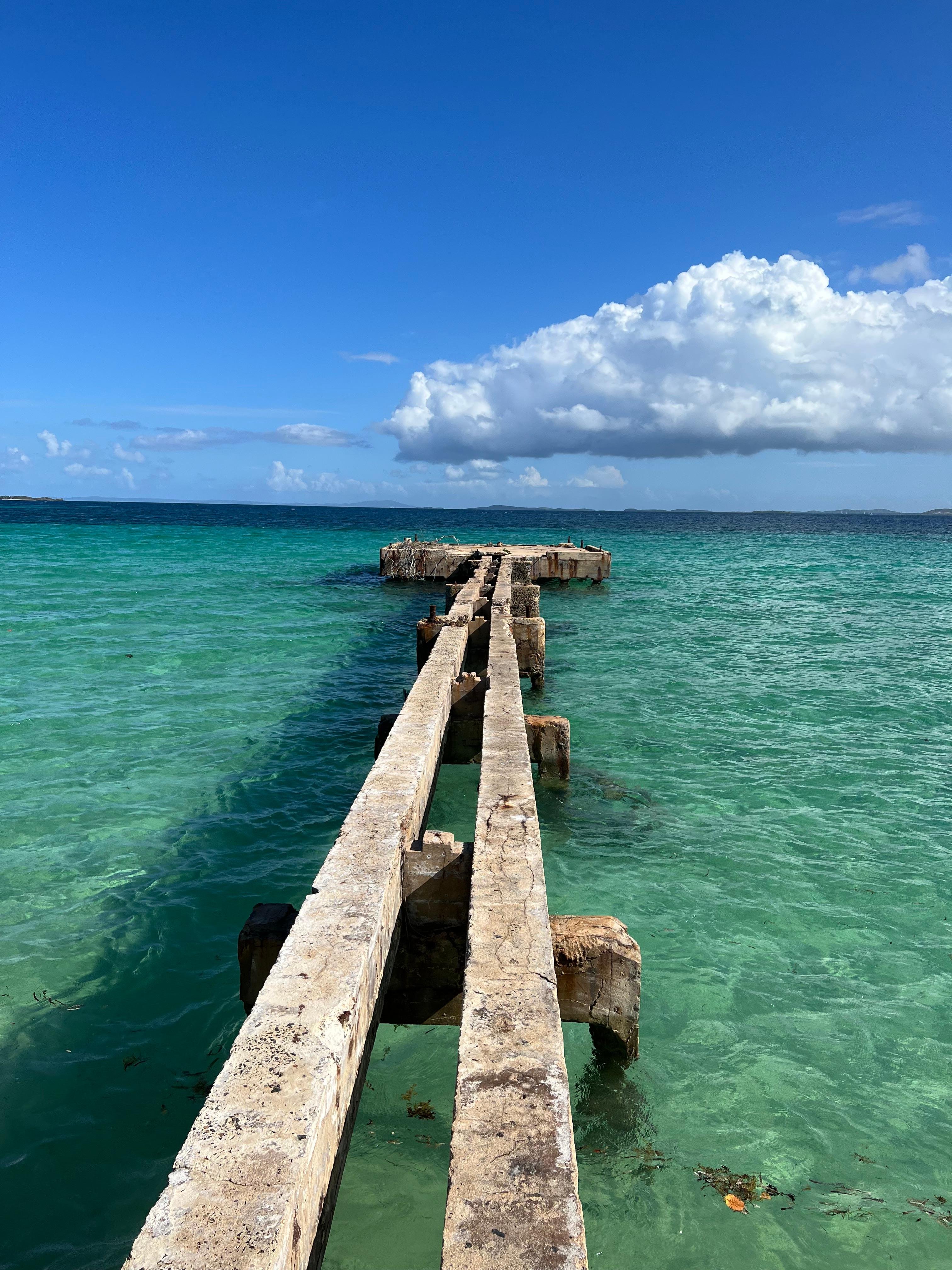
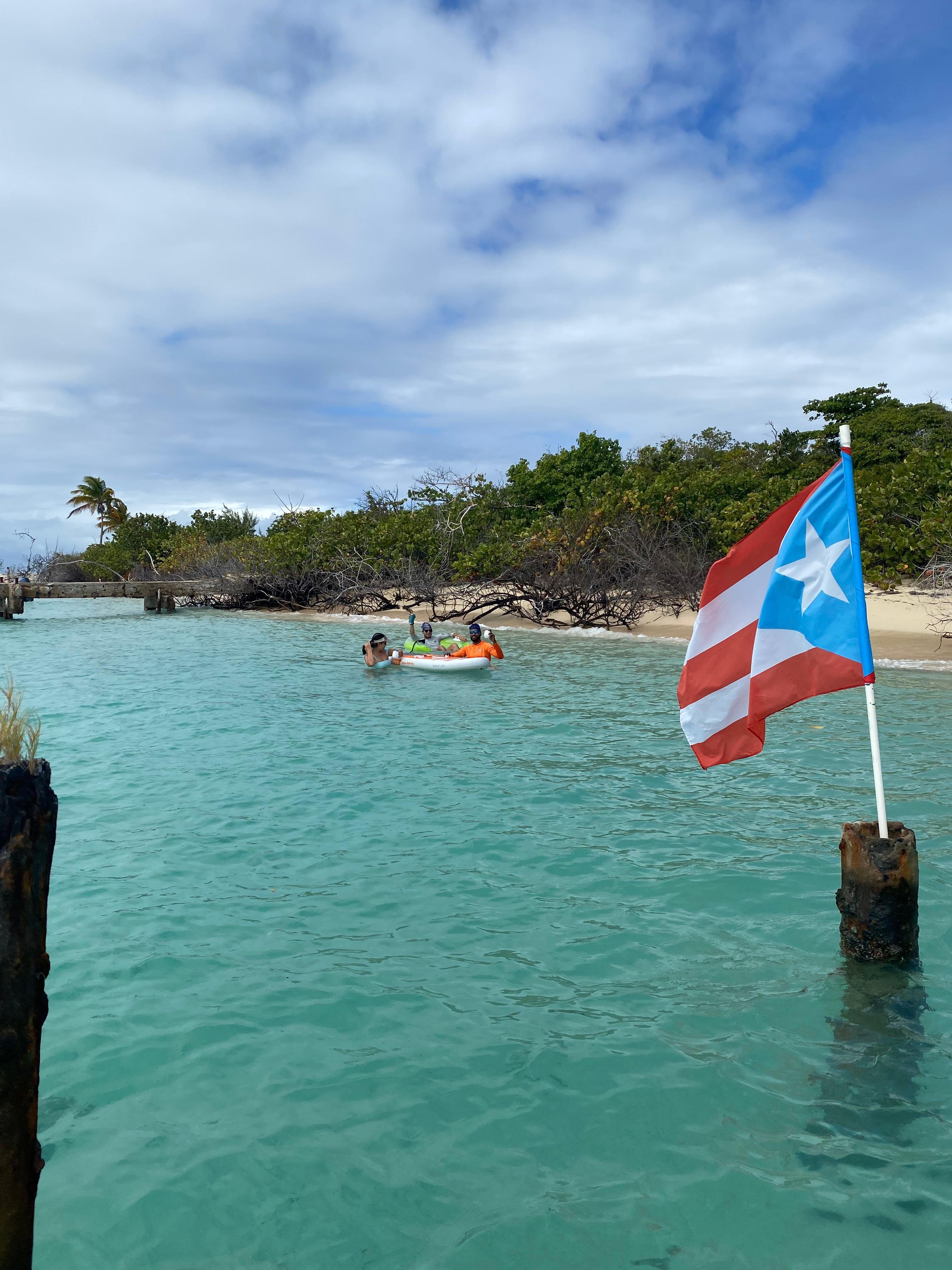
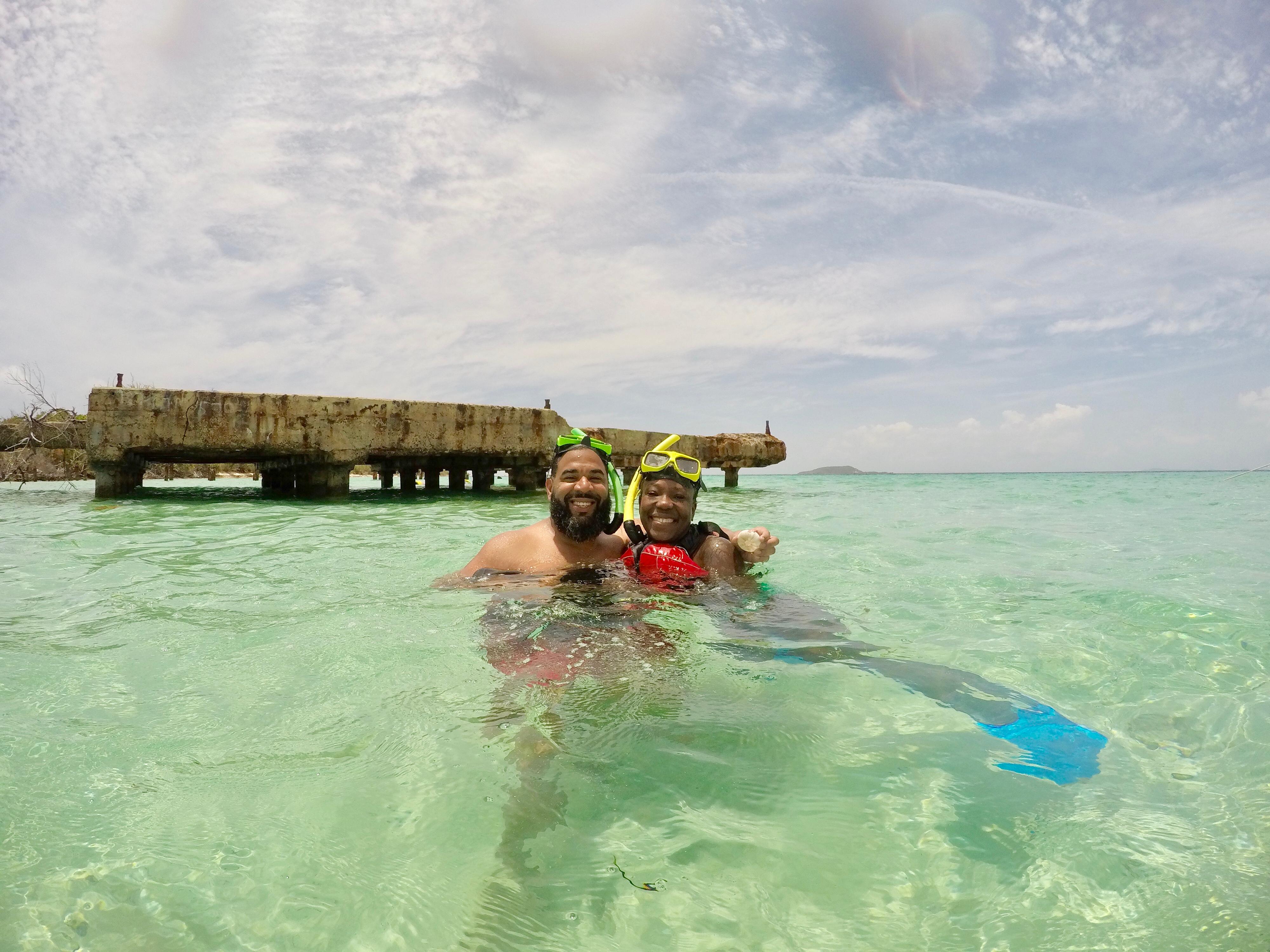
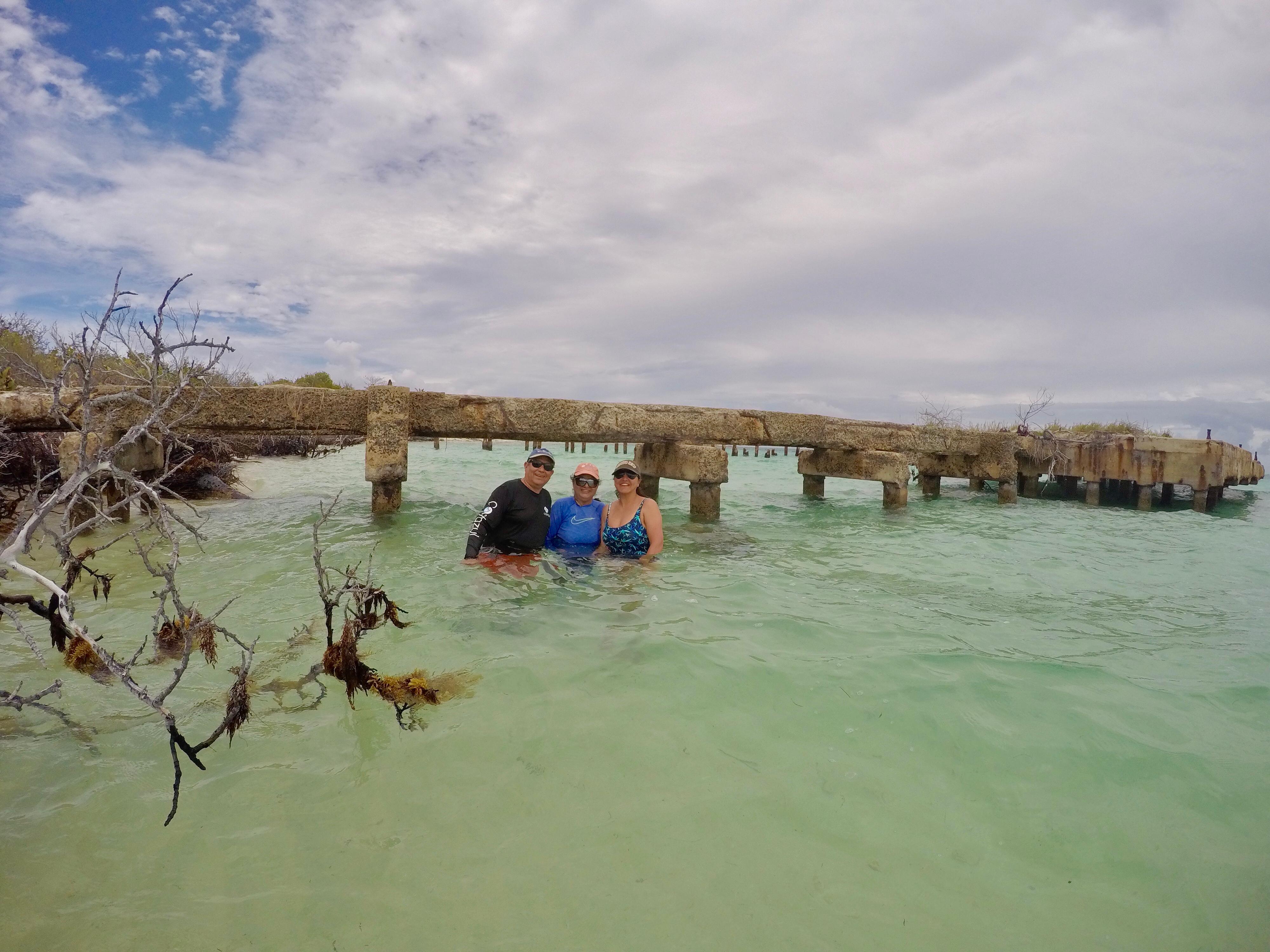
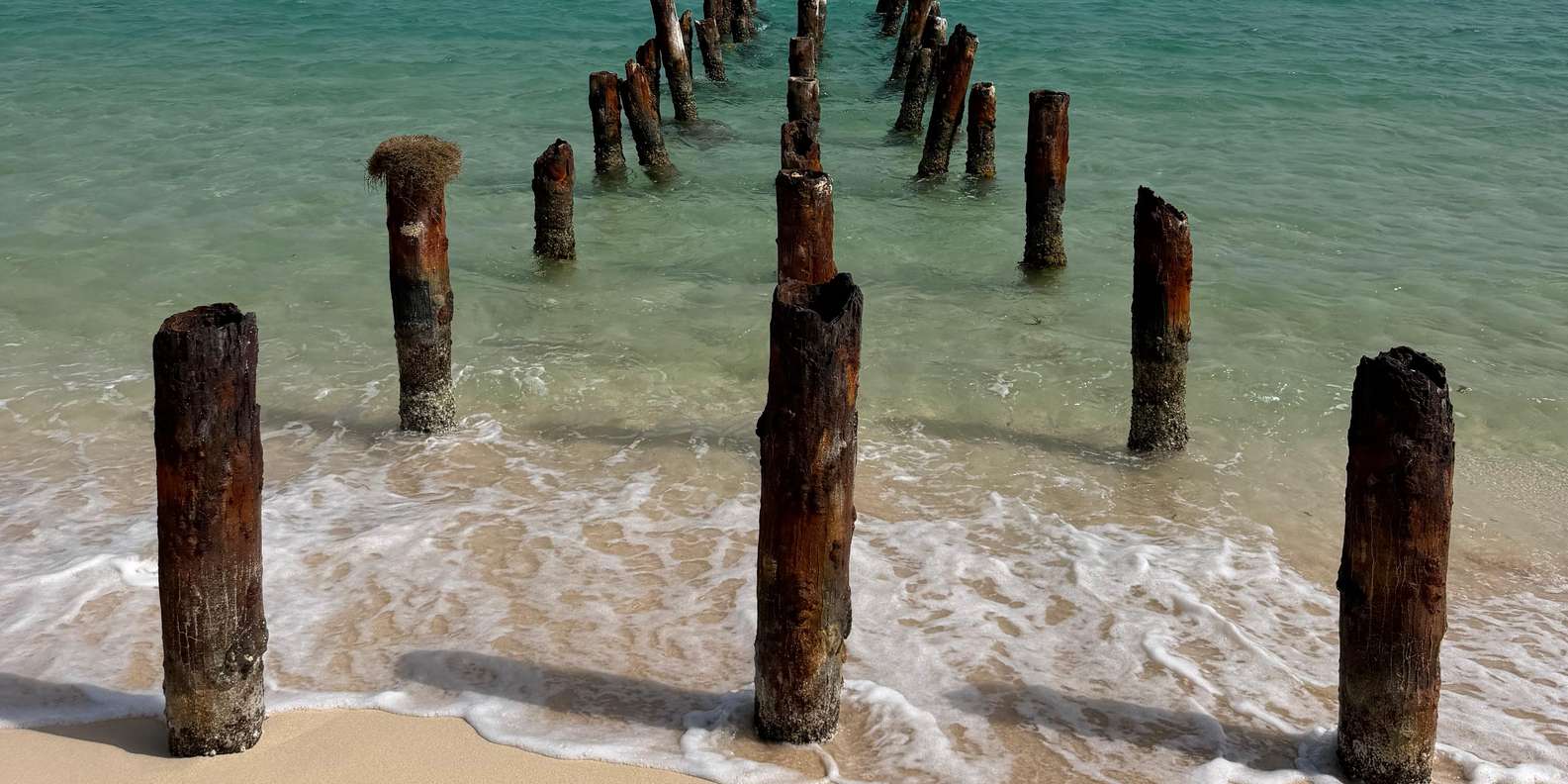
Cayo Icacos is the largest uninhabited cay in the Reserva Natural Arrecifes de la Cordillera — a chain of about 30,000 acres between Las Cabezas de San Juan and Culebra, administered by Puerto Rico’s natural-resources department since 1991. The island is roughly a hundred acres, and it still carries a limestone quarry, a pier and a short railroad from before it was protected.
What we could confirm, and what we could not:
- No entry fee, and no permit for day visitors.
- No published visitor cap. We looked for one at the issuing agency and could not find it, so we are not going to assert one either way.
- Camping is not permitted, and there is no permit to apply for: the agency’s own list of camping areas covers the state forests and Isla de Mona, and does not include this reserve at all.
- Anchoring is regulated in principle — but the agency’s own action plan lists mooring buoys and a visitor code of conduct as pending projects, and names rising illegal anchoring and unlicensed operators as the problem it has not yet solved. That is worth knowing when you choose a captain: at least one of the independents is described locally as an authorised operator for the islands, which is a reasonable thing to ask about.
- There is no reef-safe sunscreen law in Puerto Rico that we can find. Bills have been filed since 2019 and we located no enacted statute. Hawaii, Key West and the US Virgin Islands do have bans, which is probably where the claim comes from. Use reef-safe sunscreen because the reef is damaged, not because you will be fined.
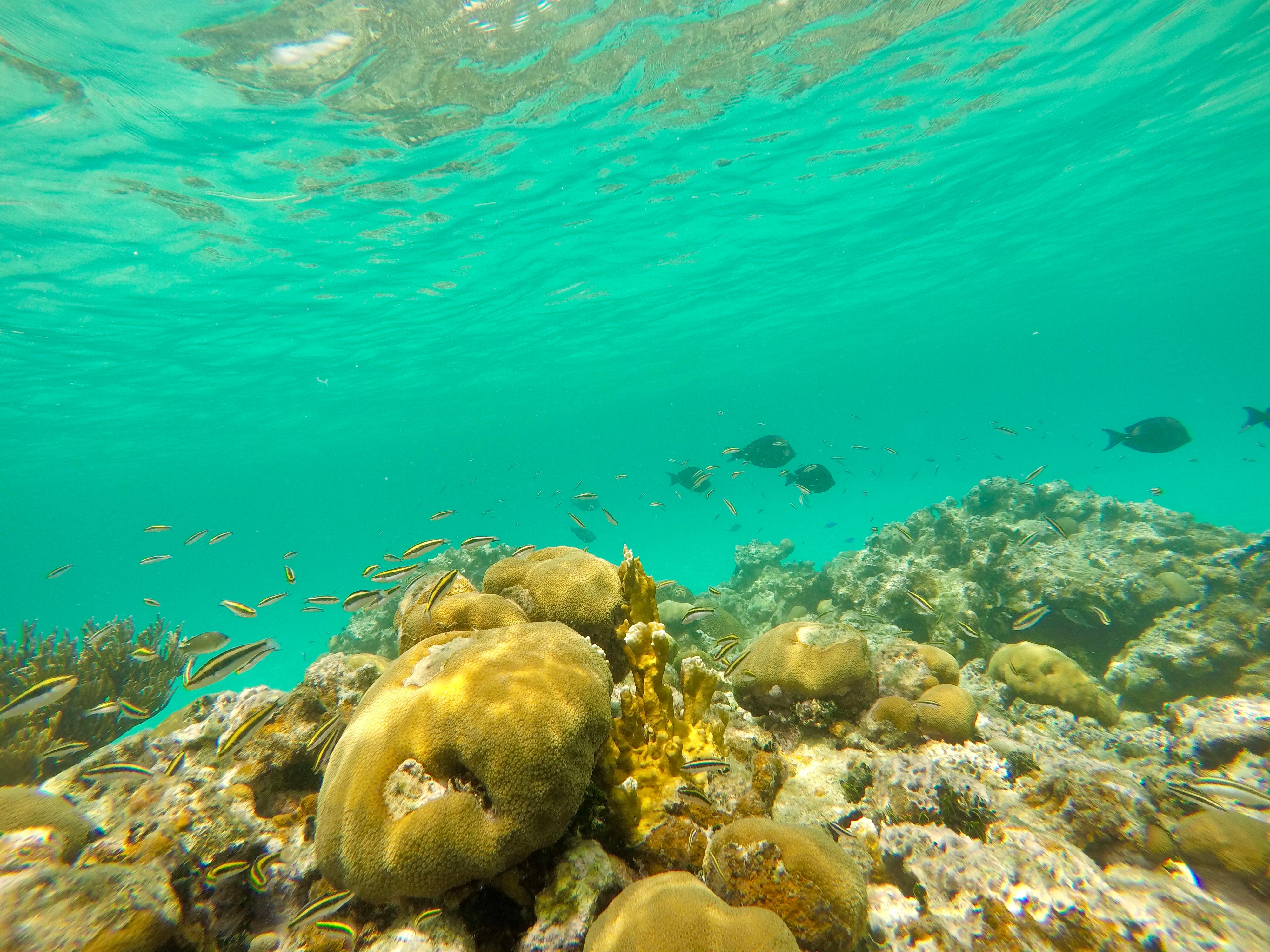
On that damage: Cayo Icacos was one of the named sites in a peer-reviewed assessment of elkhorn coral across La Cordillera before and after Hurricane María. Across the fifteen sites studied, mean coral cover fell from 14.2% to 9.3%. We are not going to attach that number to Icacos specifically, because the per-site figures were not something we could verify — only that Icacos was measured.
When to go
December to April is driest and sunniest, and weekdays are noticeably quieter than weekends. That is the tourism board’s answer and we agree with it.
But the crossing has its own calendar, and it does not match. The northeast trade winds are what make the water choppy, and they are strongest in winter — so the driest months are also the windiest, and late spring and summer are calmer at sea. February and March sit at the tail of the trade-wind season, which is why they are both the driest and among the calmest.
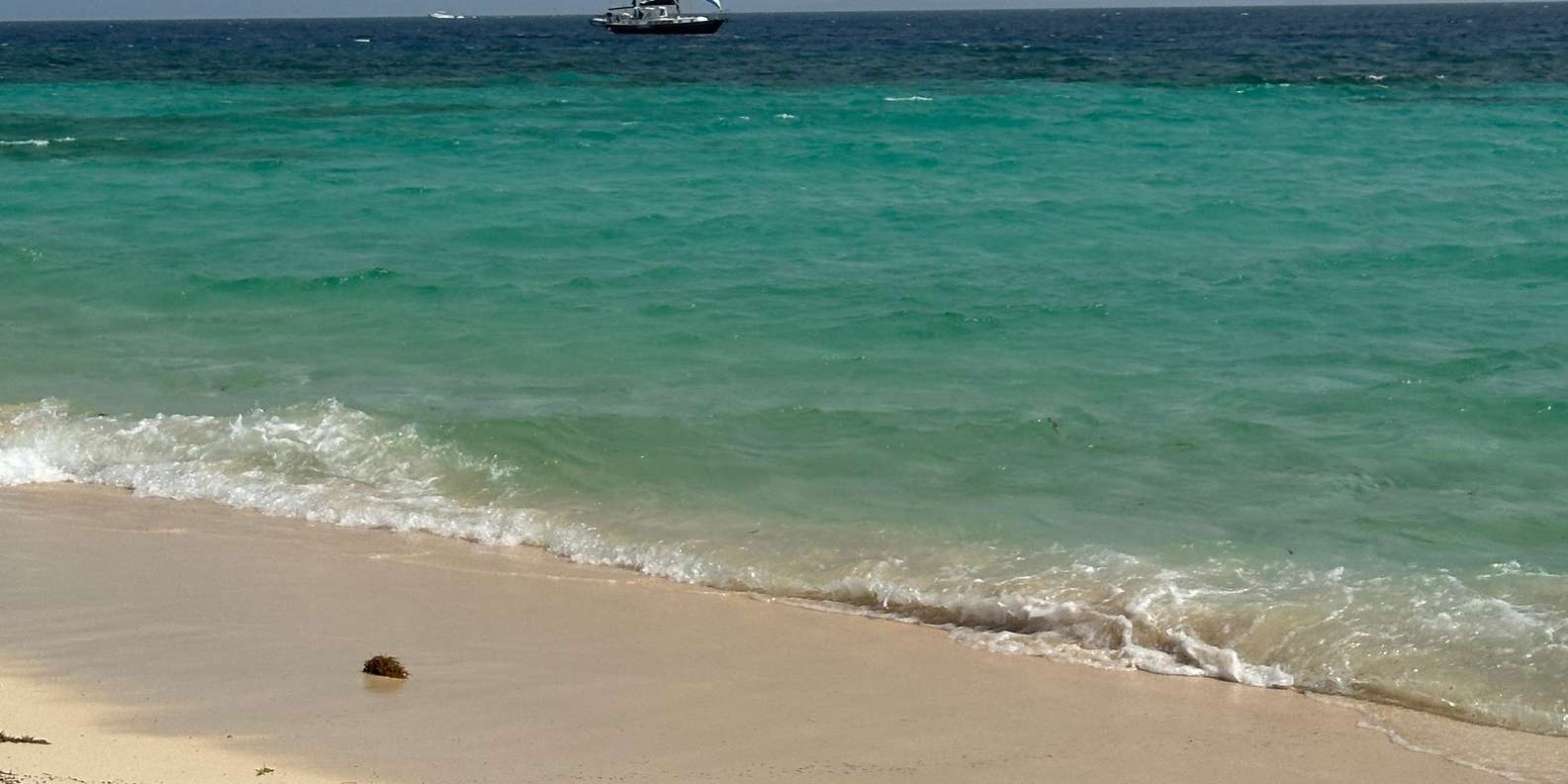
Against that, summer brings sargassum. The season runs roughly May to August, and Puerto Rico’s east and northeast coasts are the exposed side — Fajardo and Luquillo are named among the worst affected. Icacos is not separately monitored, so rather than promise you a month, check the live forecast: CARICOOS publishes a seven-day sargassum inundation outlook for Puerto Rico and the Virgin Islands.
Hurricane season runs 1 June to 30 November, with September the historic peak. The practical exposure is not a direct hit but a cancelled crossing, so book refundably and keep a spare day late in the season. The worst single month to pick is September — hurricane peak, warmest water, and still inside sargassum reach.
Getting to Fajardo
About 30 miles from San Juan airport, 42 minutes free-flowing and closer to an hour in traffic, east on PR-3 or PR-66, then signs for El Conquistador and left onto Road 987 for Las Croabas.
A rental car is effectively required for a water taxi. Públicos exist, but the standing local advice is to allow four hours and arrive in San Juan before noon — which does not survive contact with a 10am boat. If you have no car, that is itself an argument for a catamaran: at least one operator runs a San Juan hotel shuttle as a paid add-on.
Parking at Kayak Village is described as plentiful, with free street parking just off the main road. Fajardo does issue tickets, so read the signs.
Prices, schedules and rules on this page were checked in September 2026 against the operators’ own sites, Puerto Rico’s tourism board and the natural-resources department’s published plan. Operator prices here move and contradict each other — confirm yours at booking. The booking panel is authoritative for what you will pay through it.